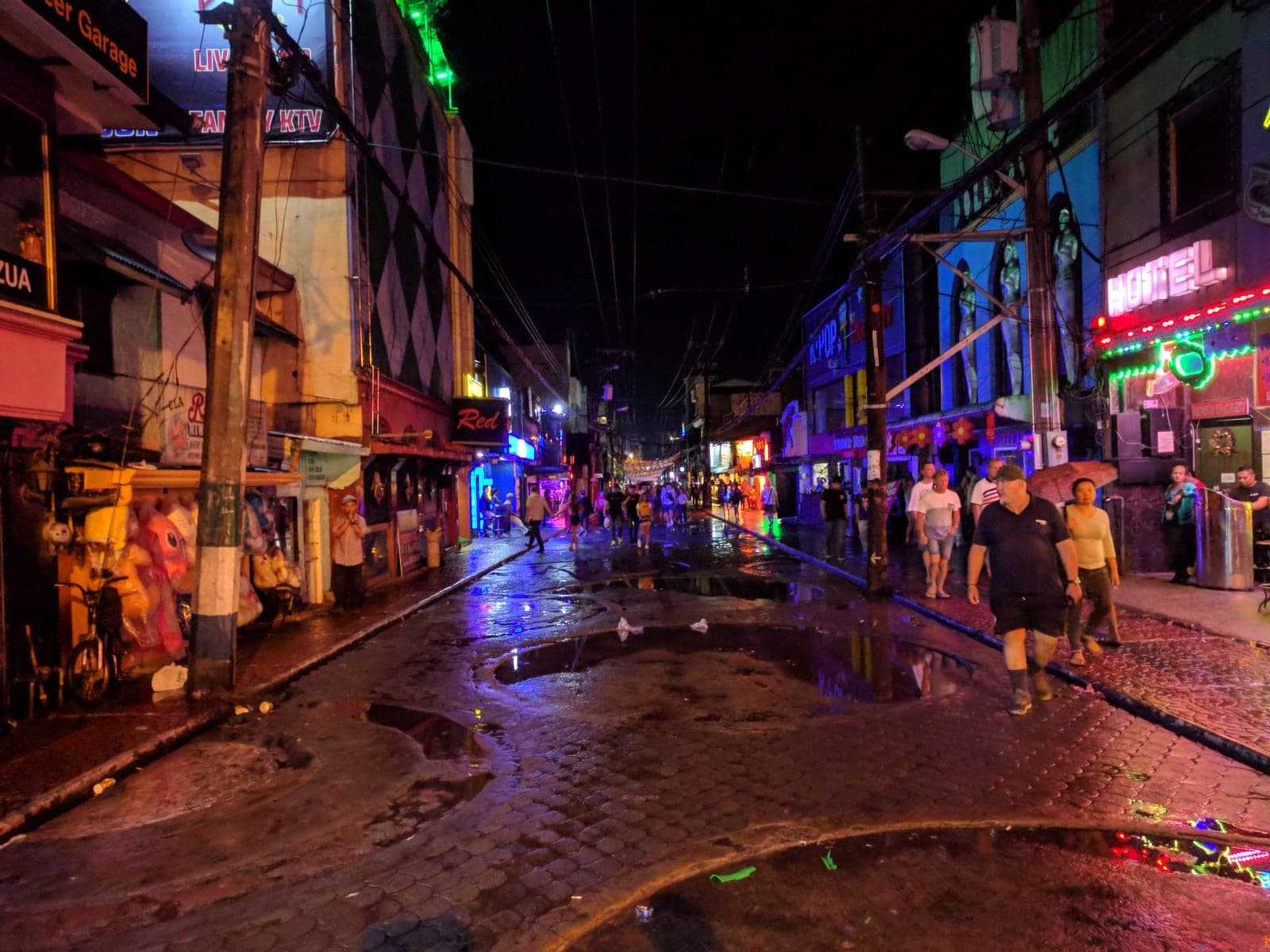


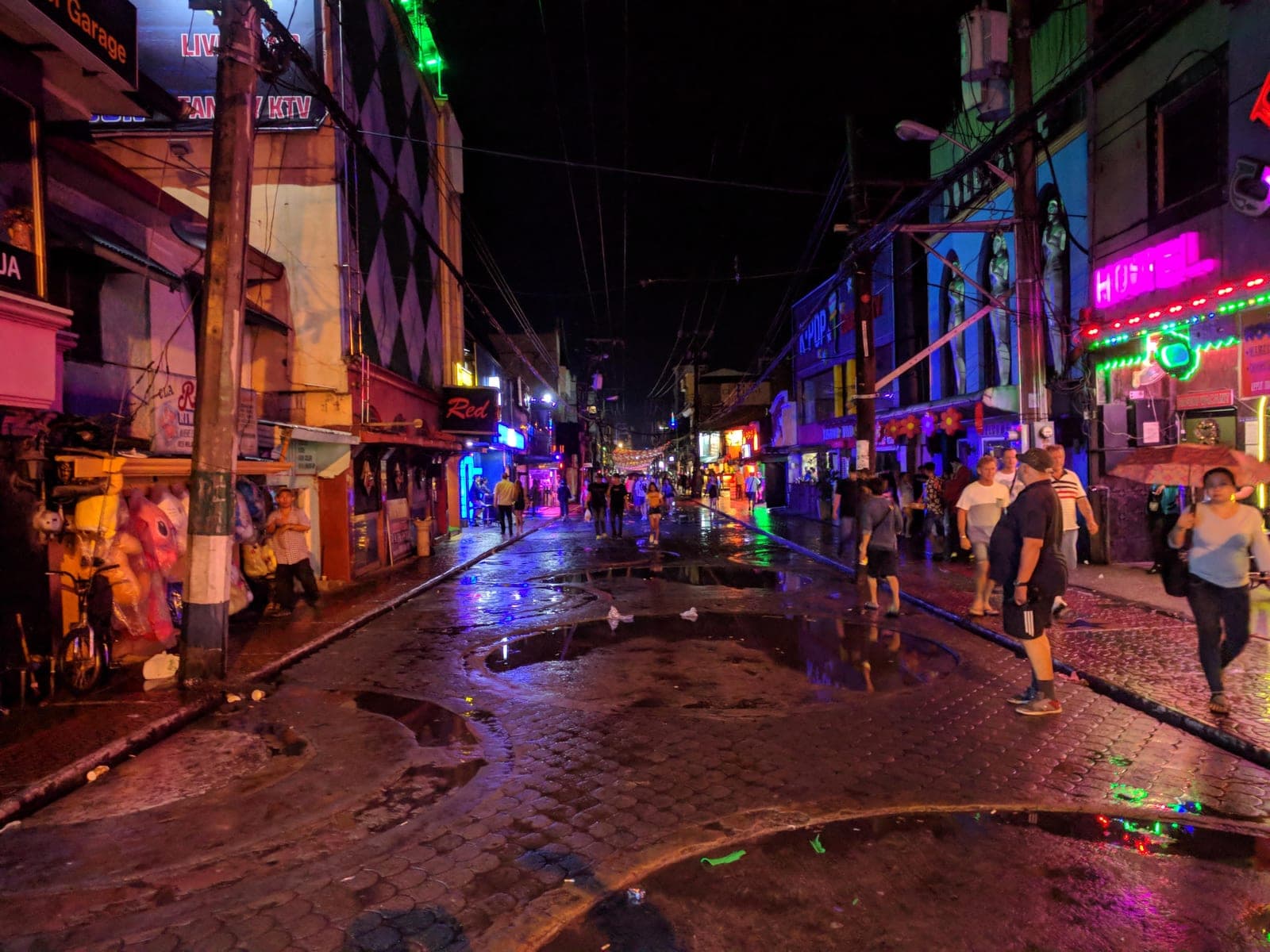


Walking Street is the pedestrianised stretch of Fields Avenue in Balibago, Angeles City, that runs from the welcome arch near the MacArthur Highway down to the Kokomo’s corner where A. Santos Street peels off — a few hundred metres of go-go bars, beer bars, restaurants and hello girls, and the reason most of you are reading this site at all.
The city closed the road to traffic back in 2010, borrowing the name (and the idea) from Pattaya, and it’s been the town’s front room ever since. From roughly six in the evening until the small hours the barriers go up, the neon comes on and the only wheels you’ll see are the food carts. By day it’s a sleepy, slightly hungover street with the shutters down and the sweepers out — worth a stroll for the photographs, but the show doesn’t start until dark.
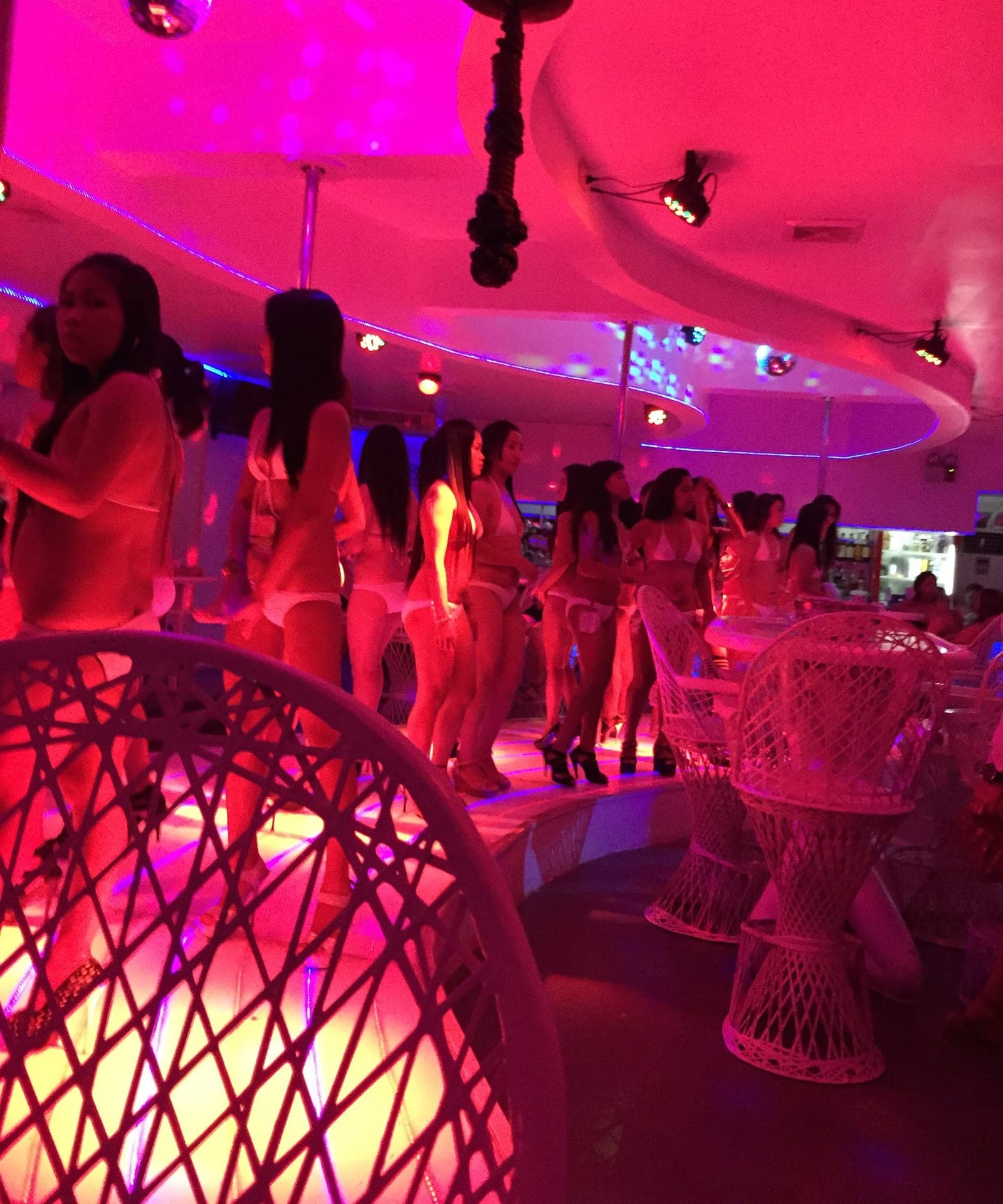
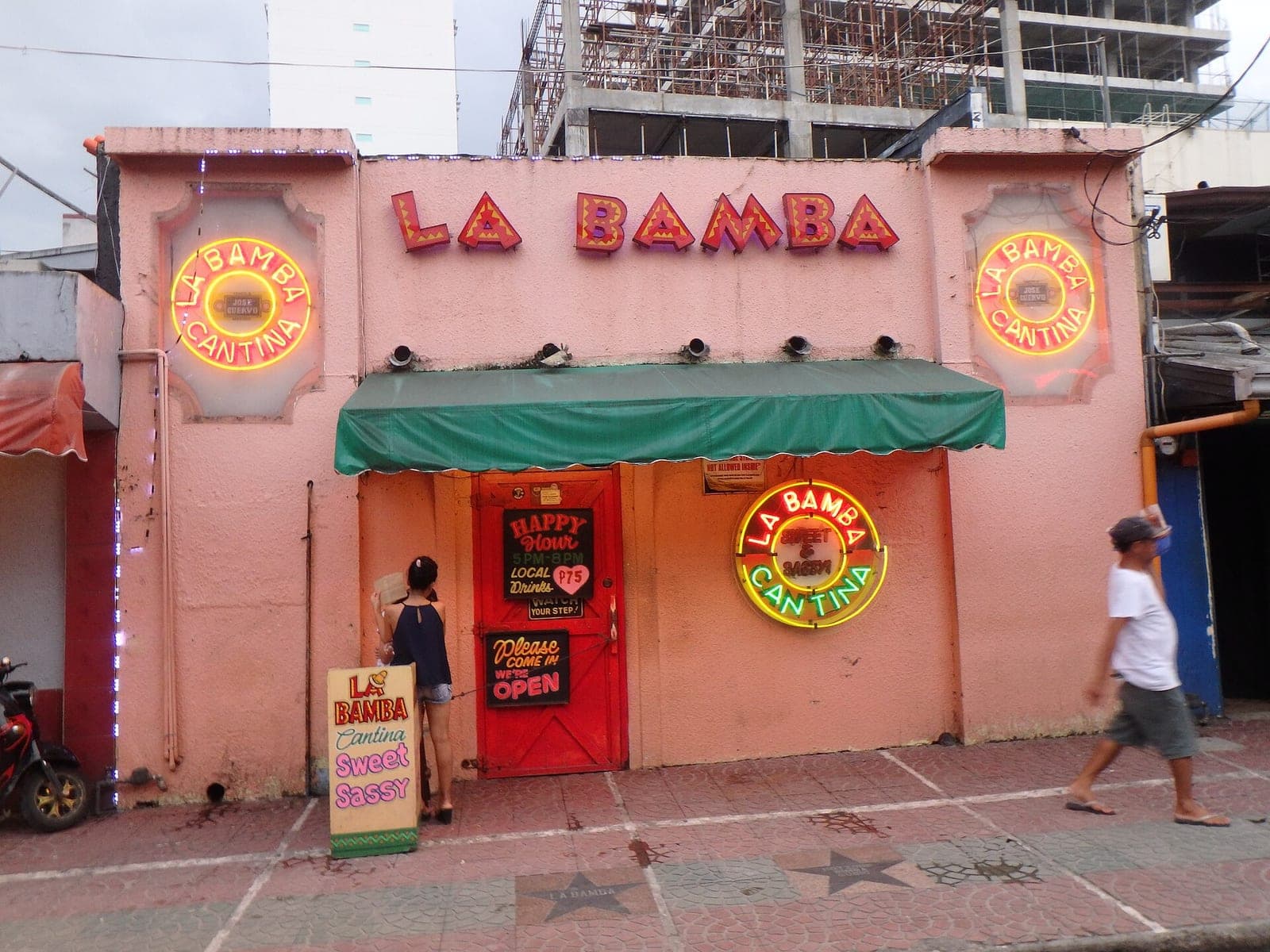
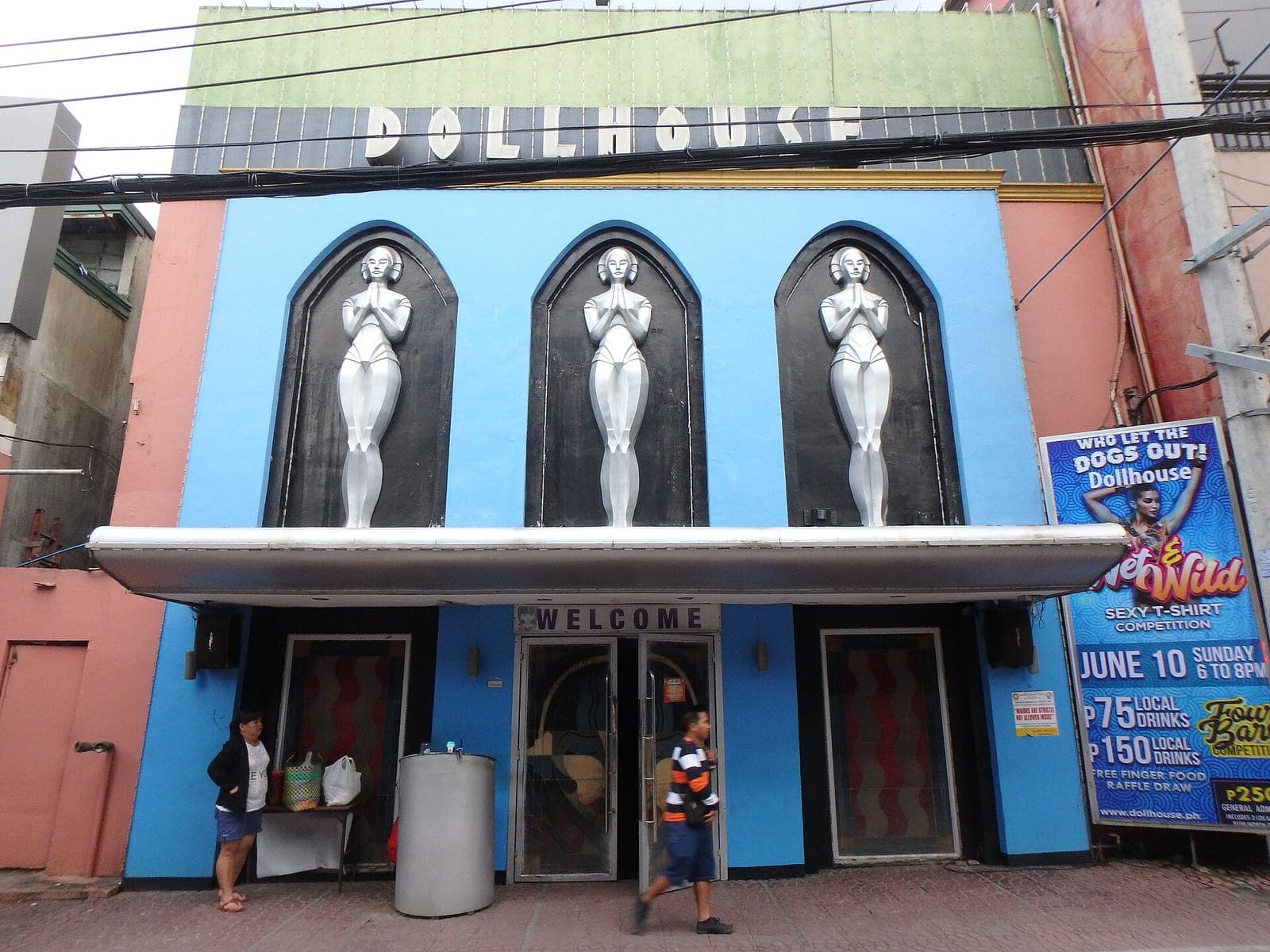
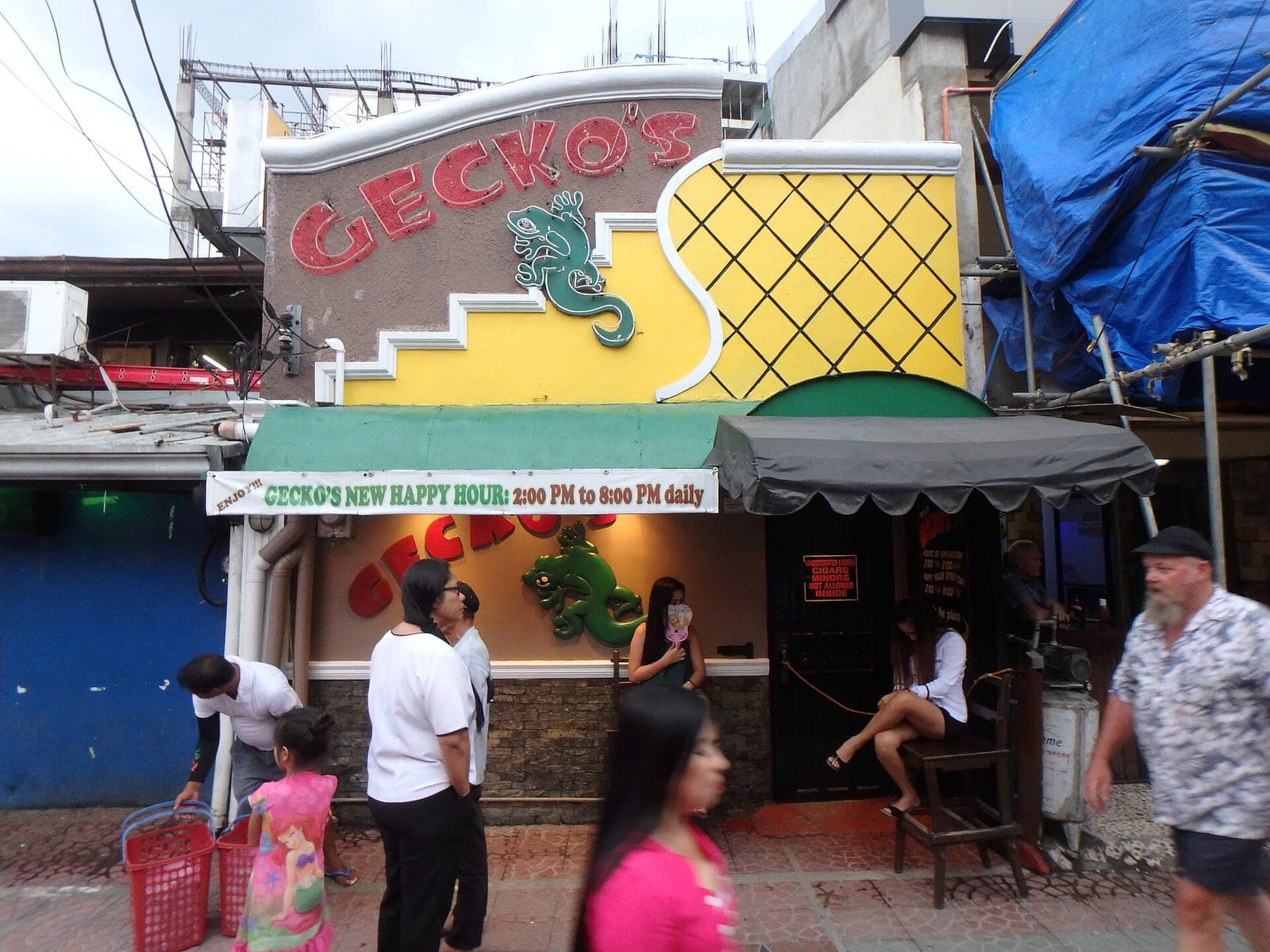
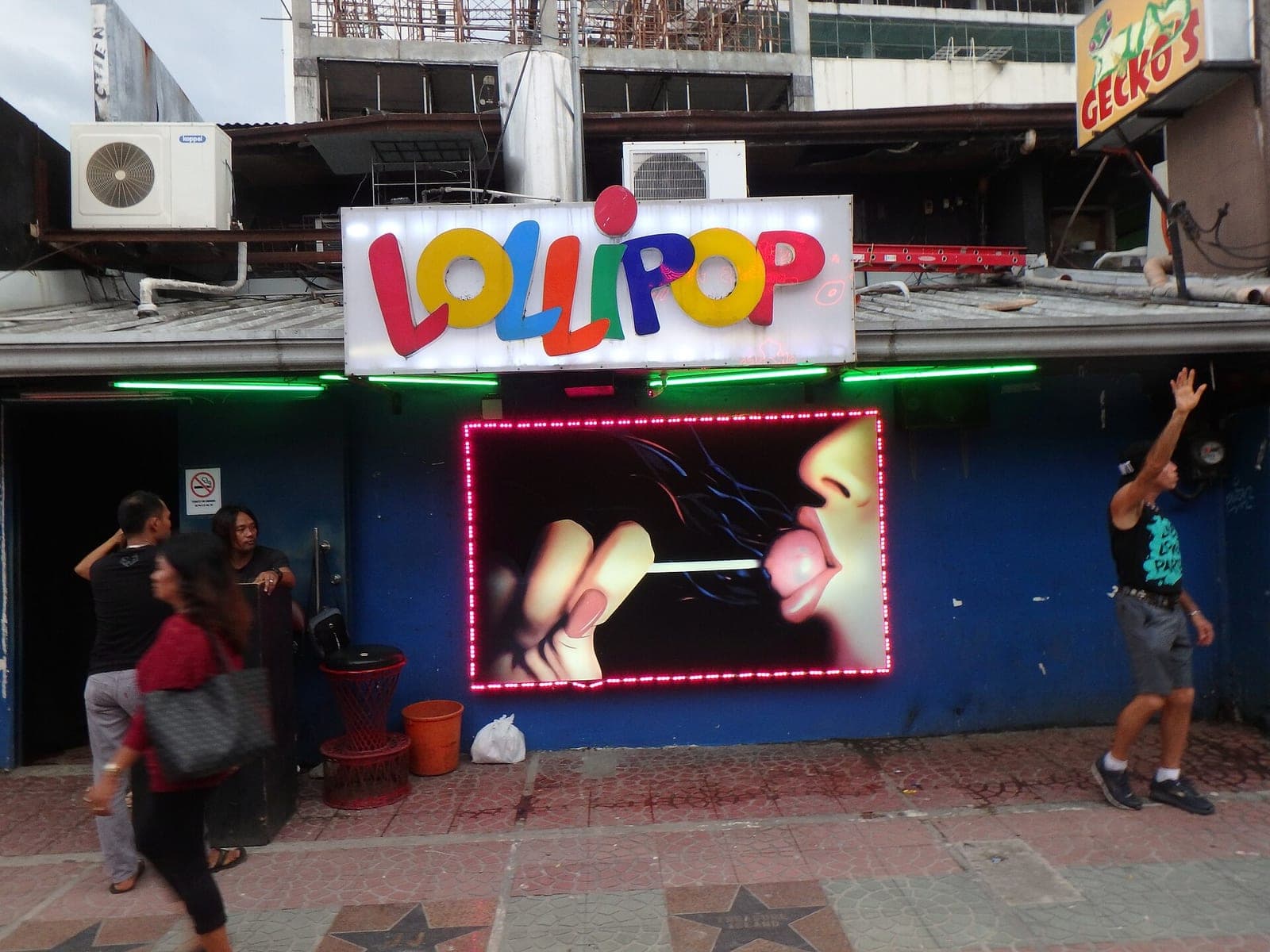
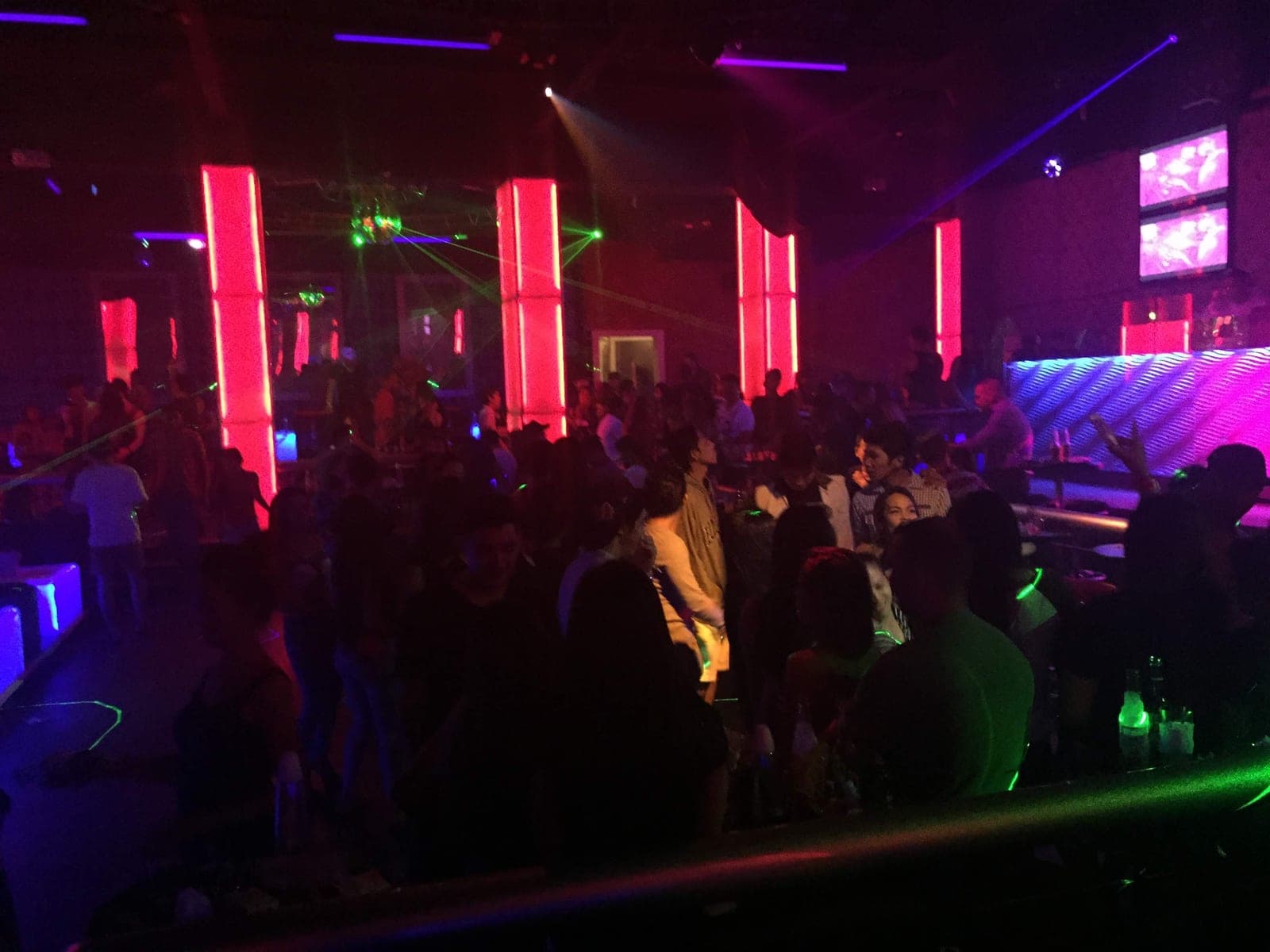
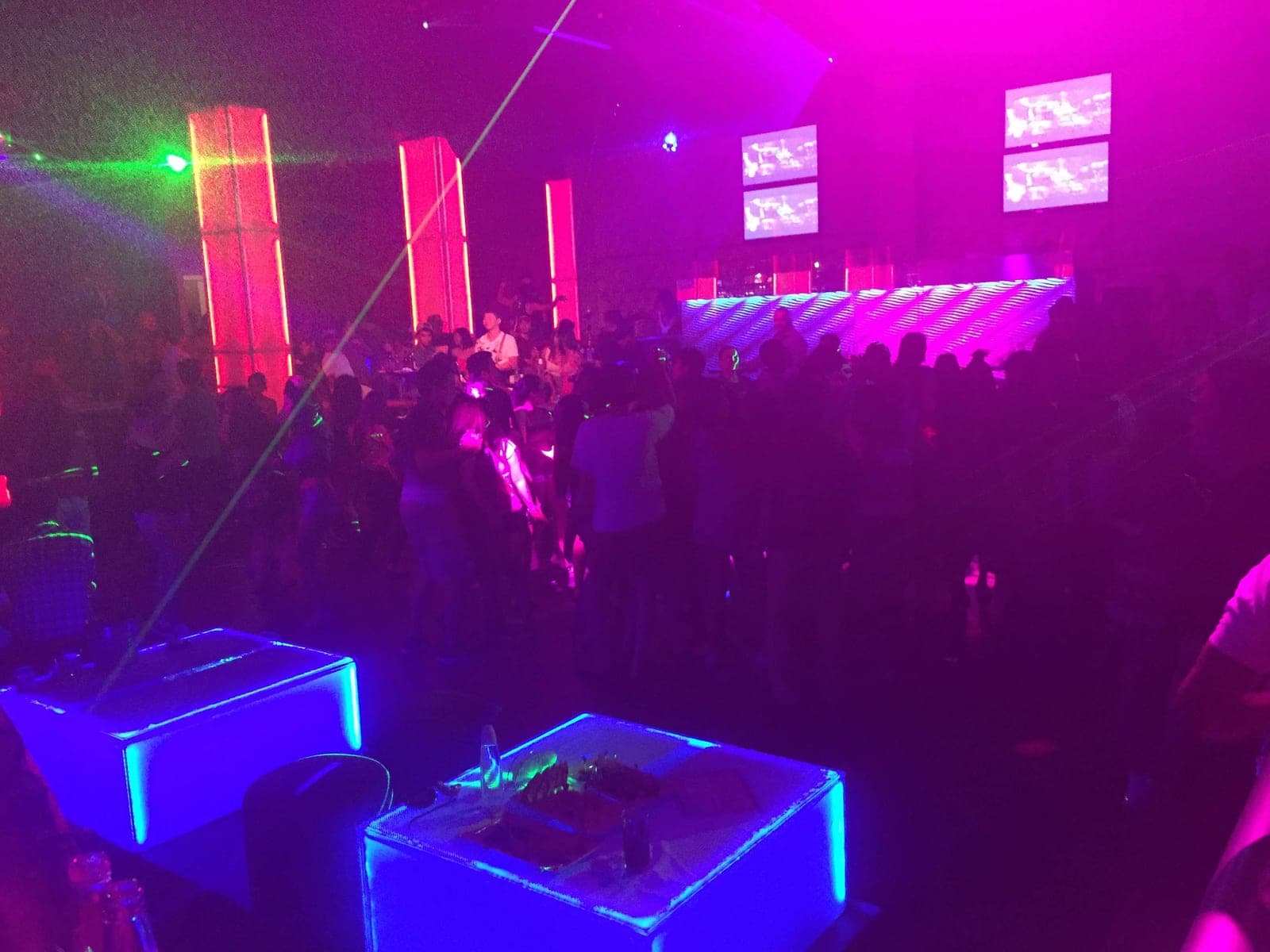
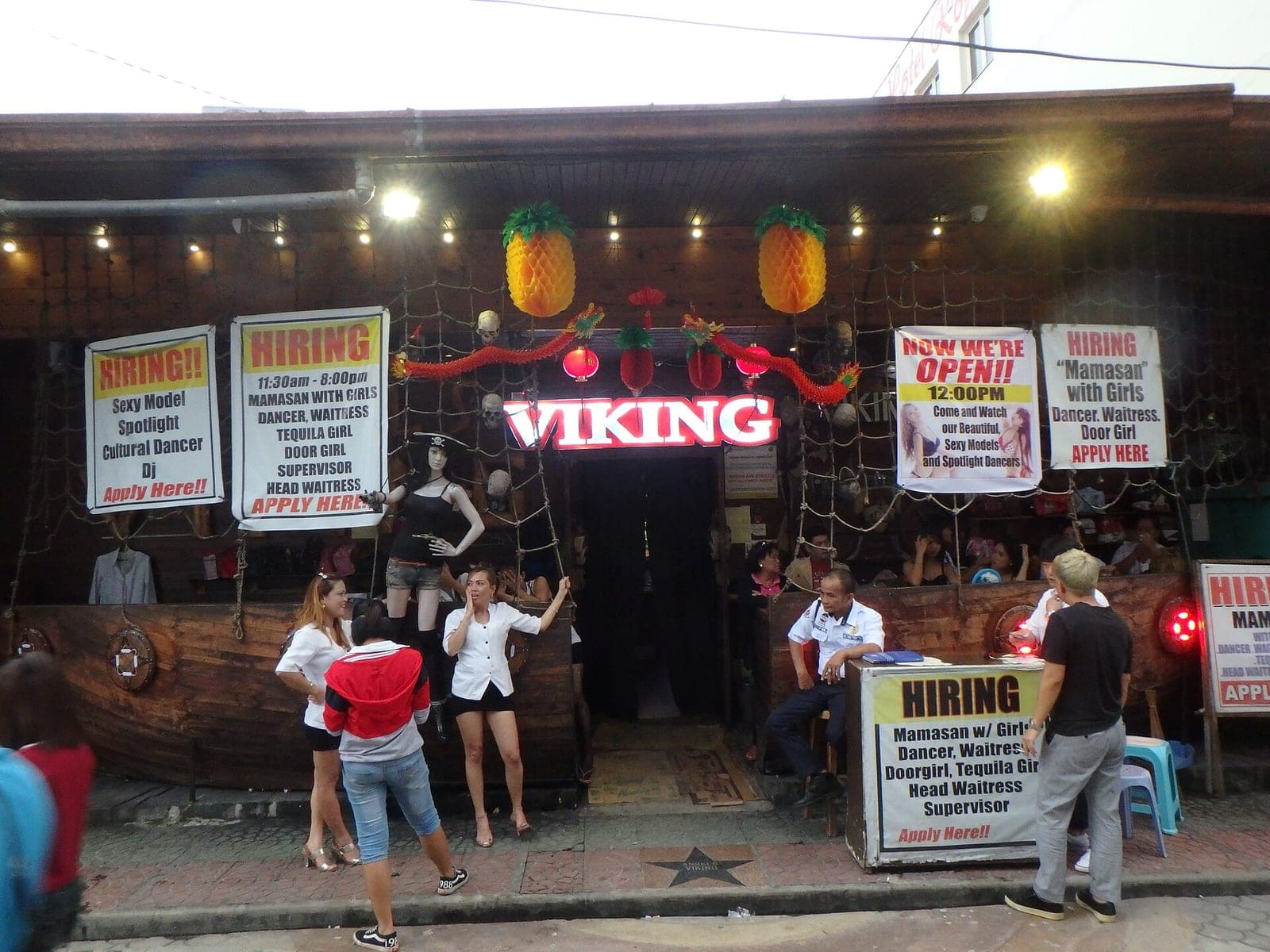
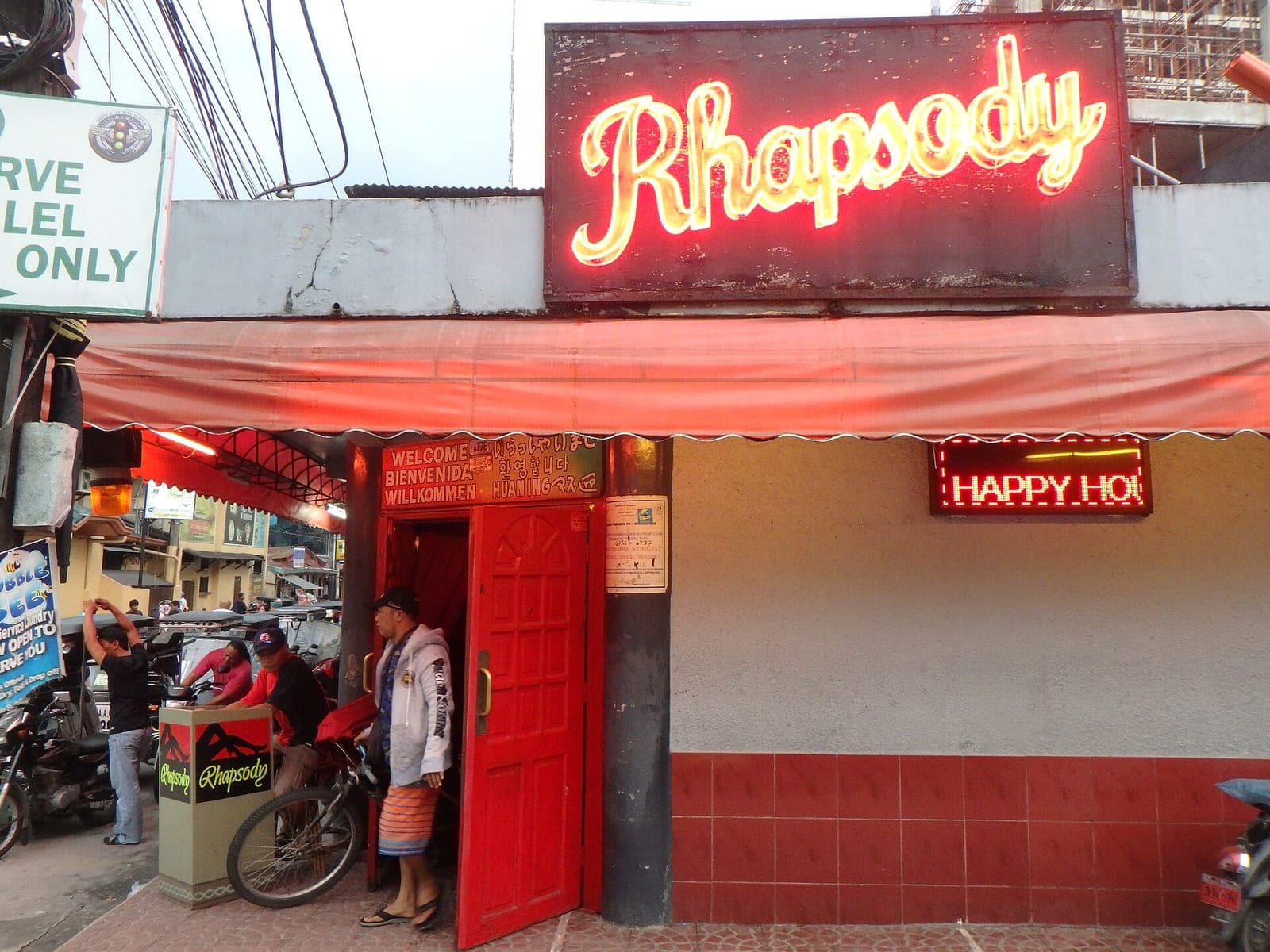
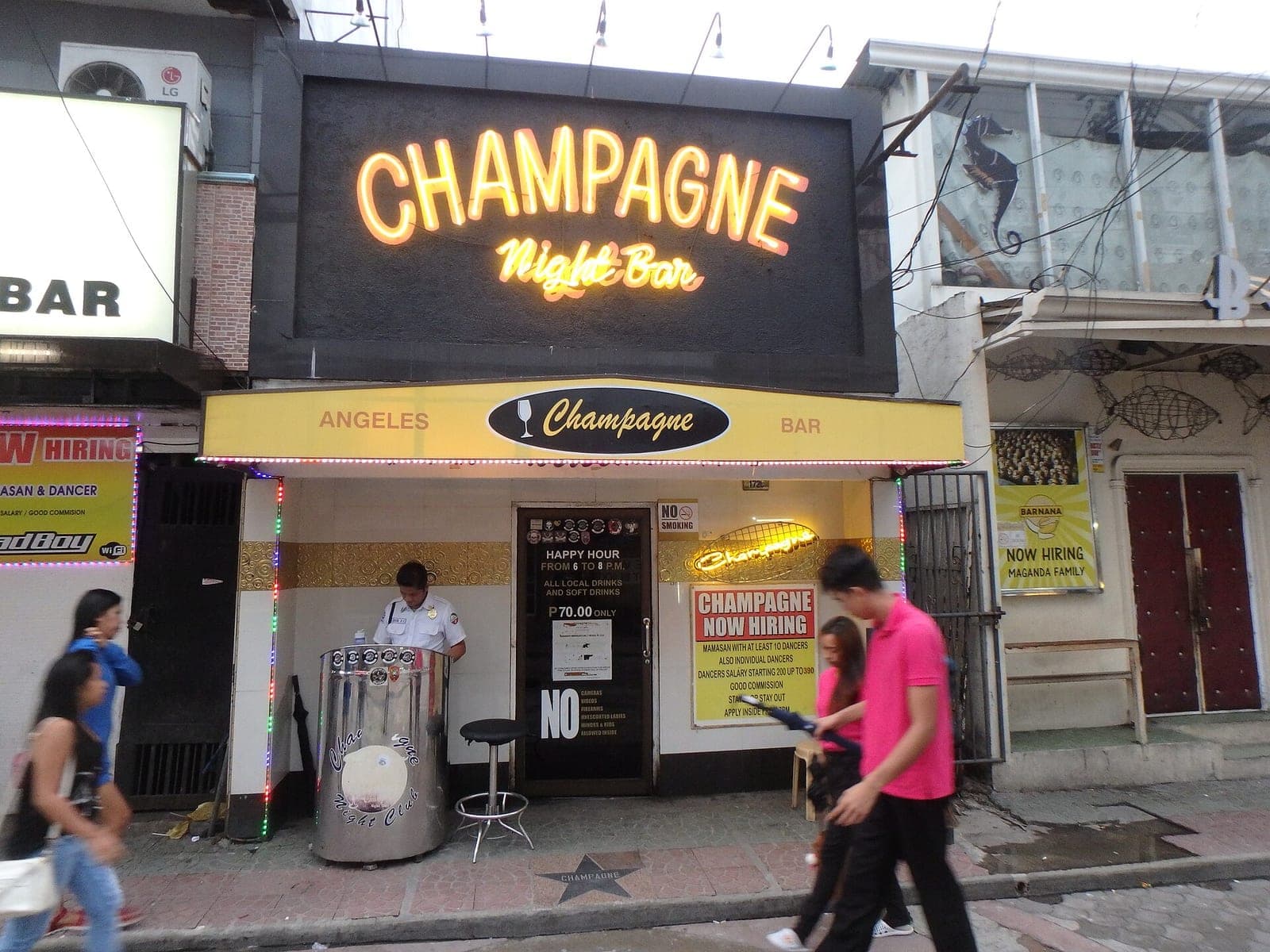
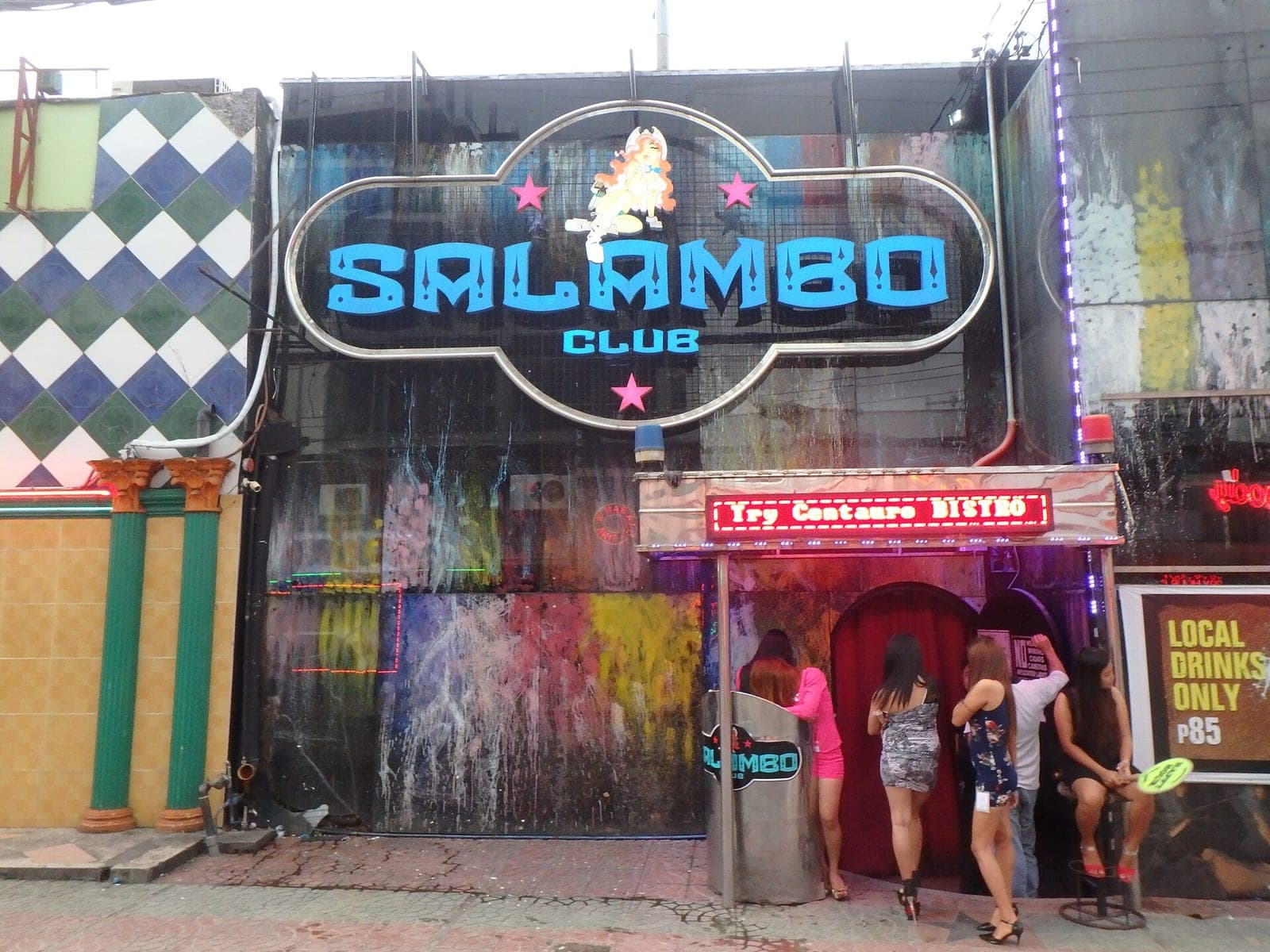
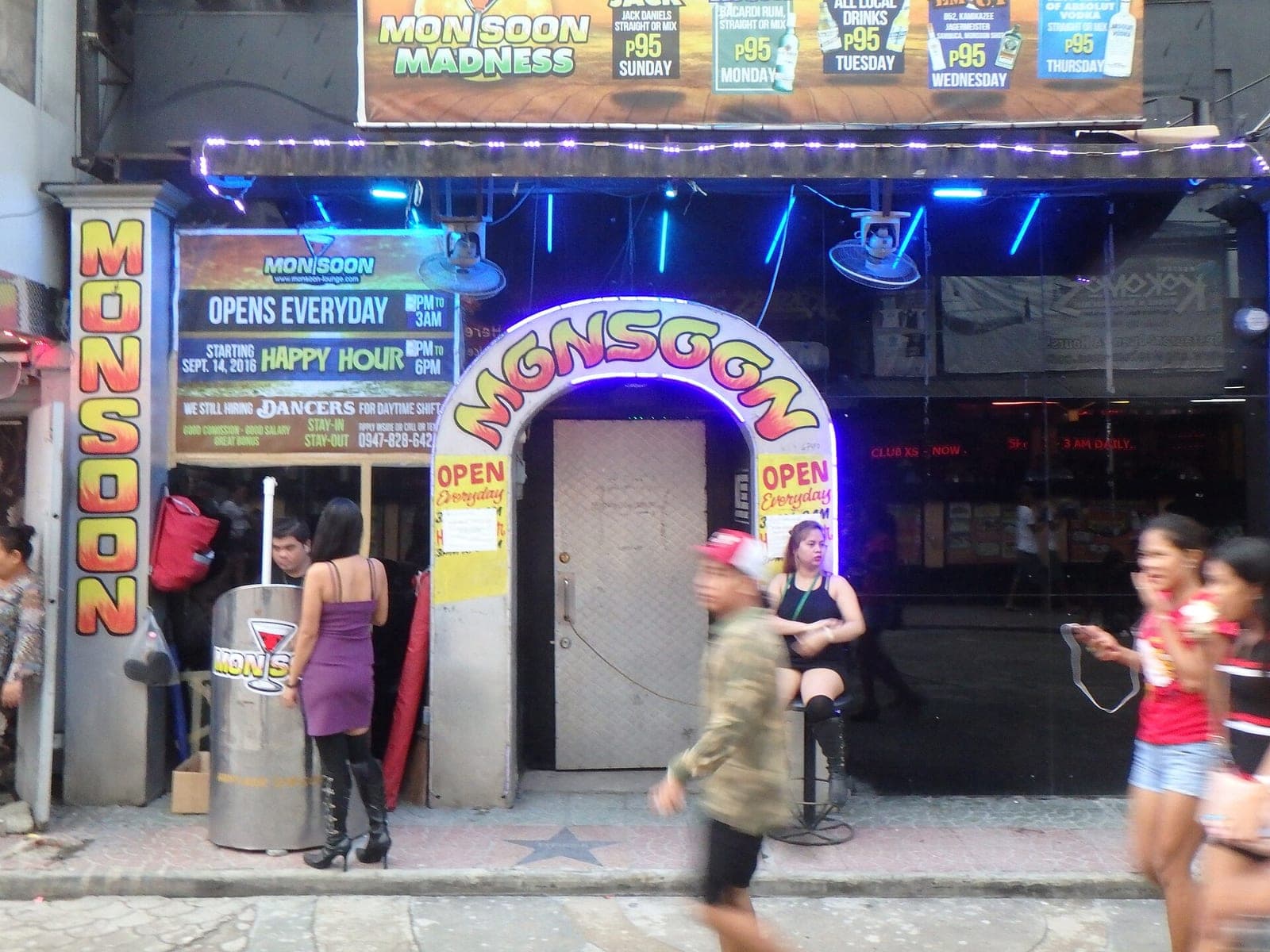
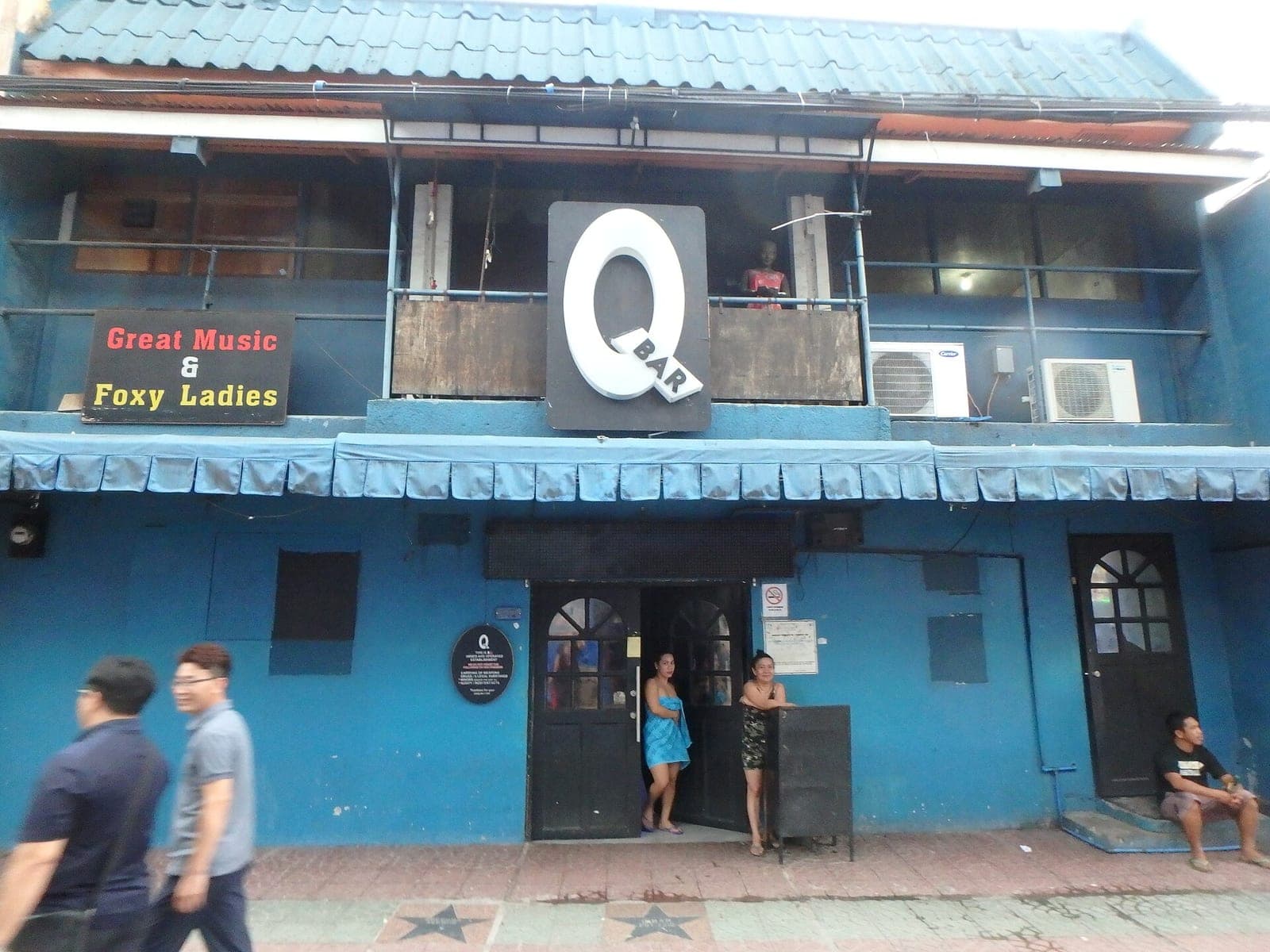
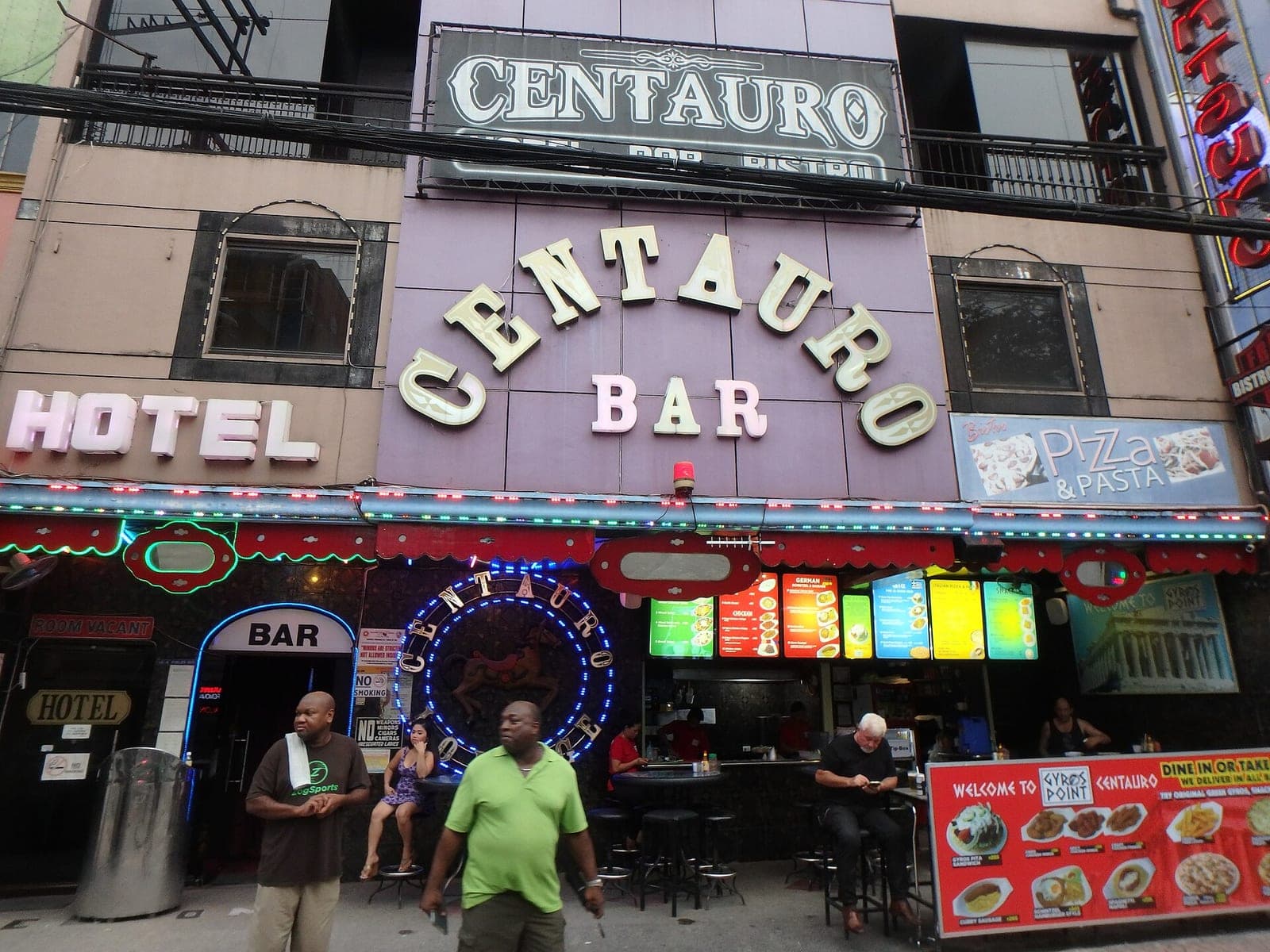
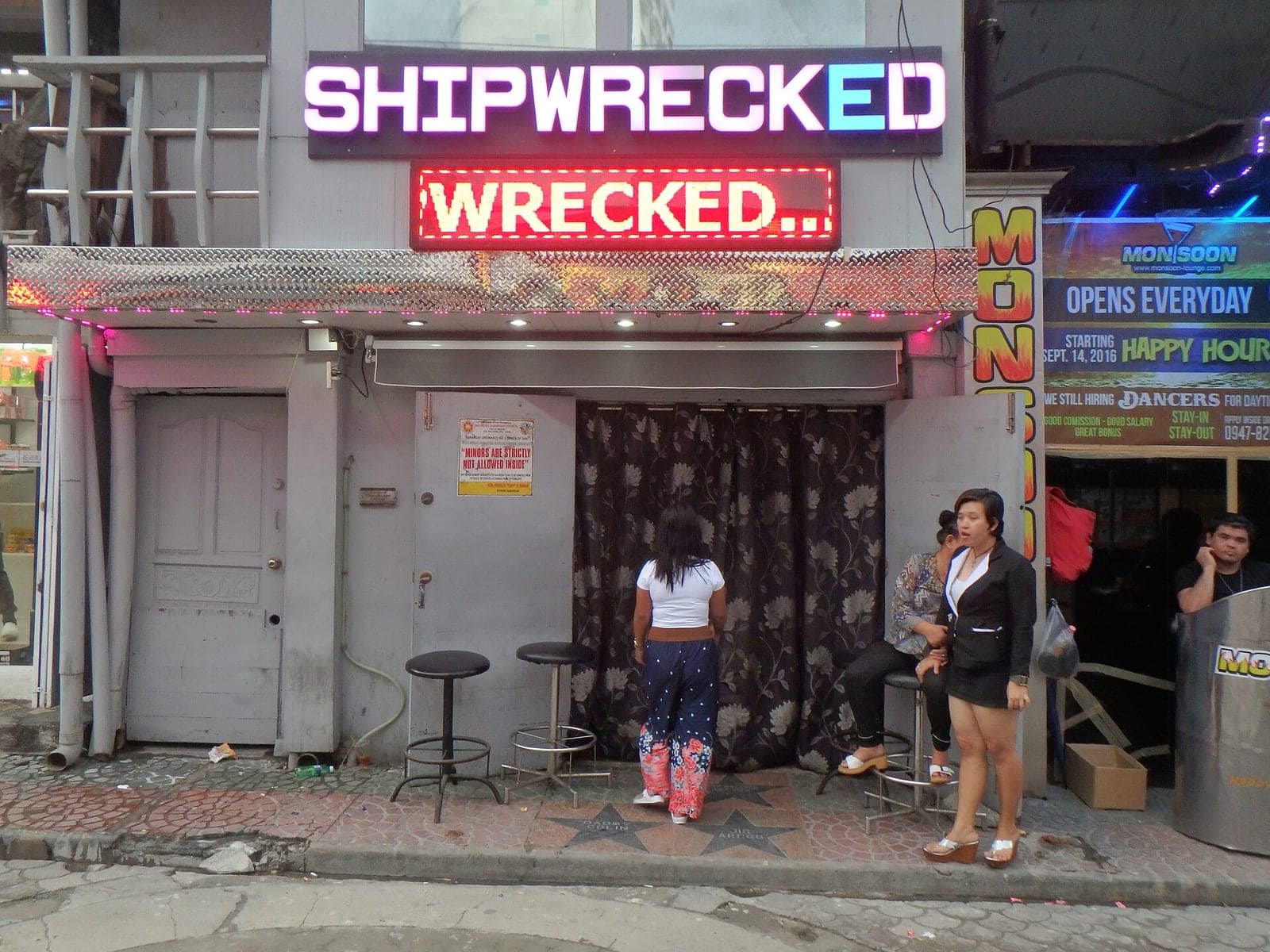
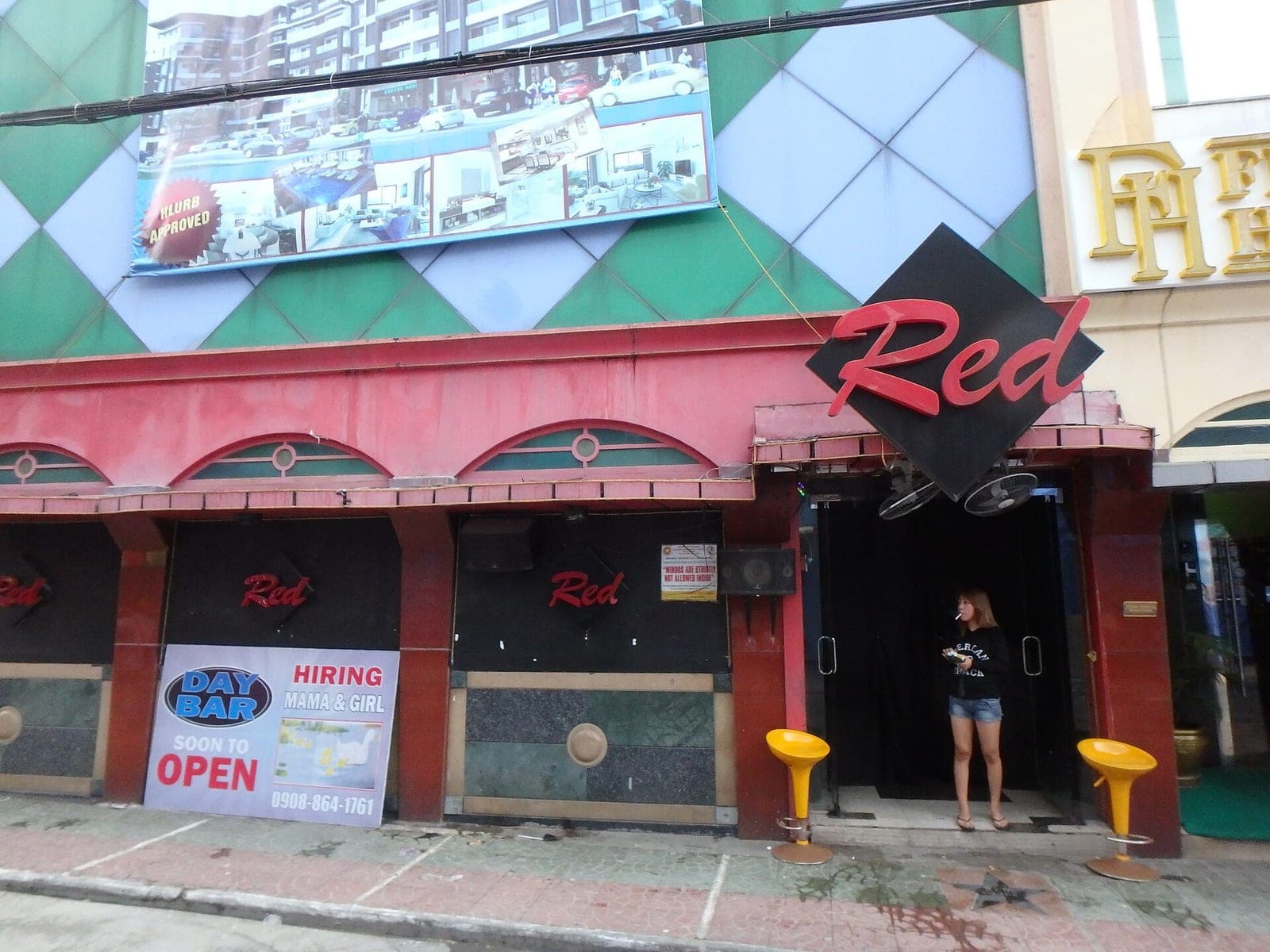
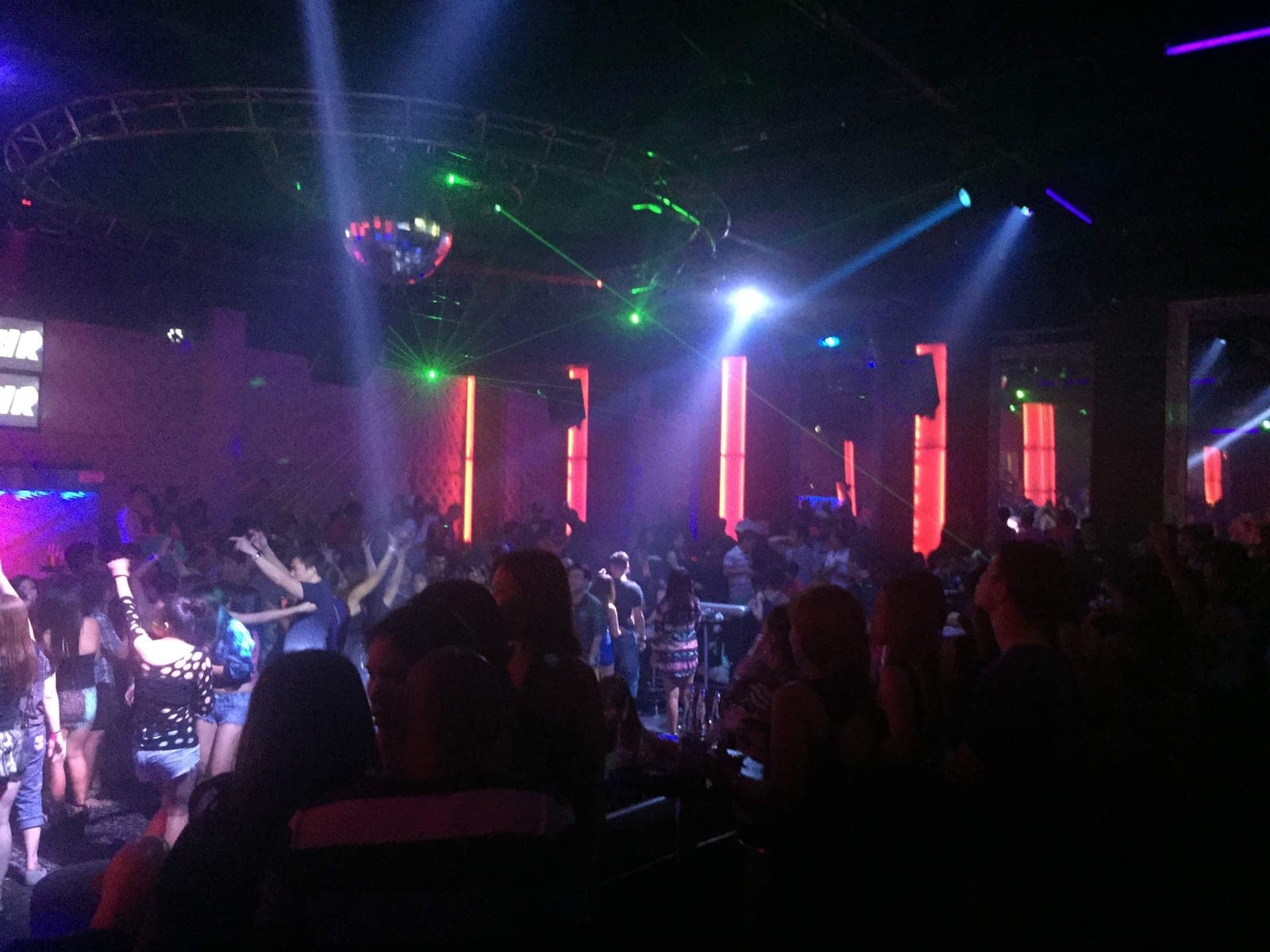
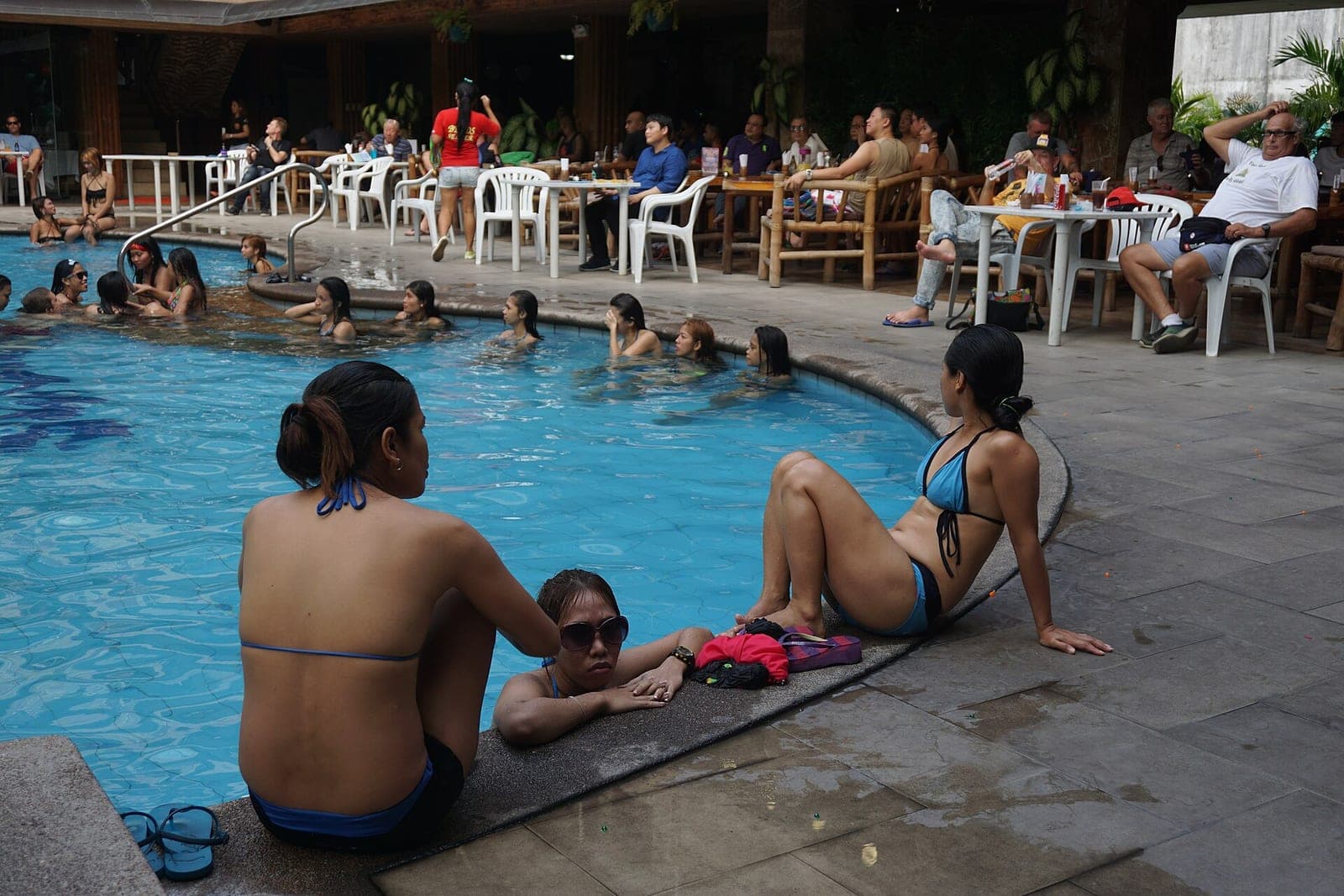
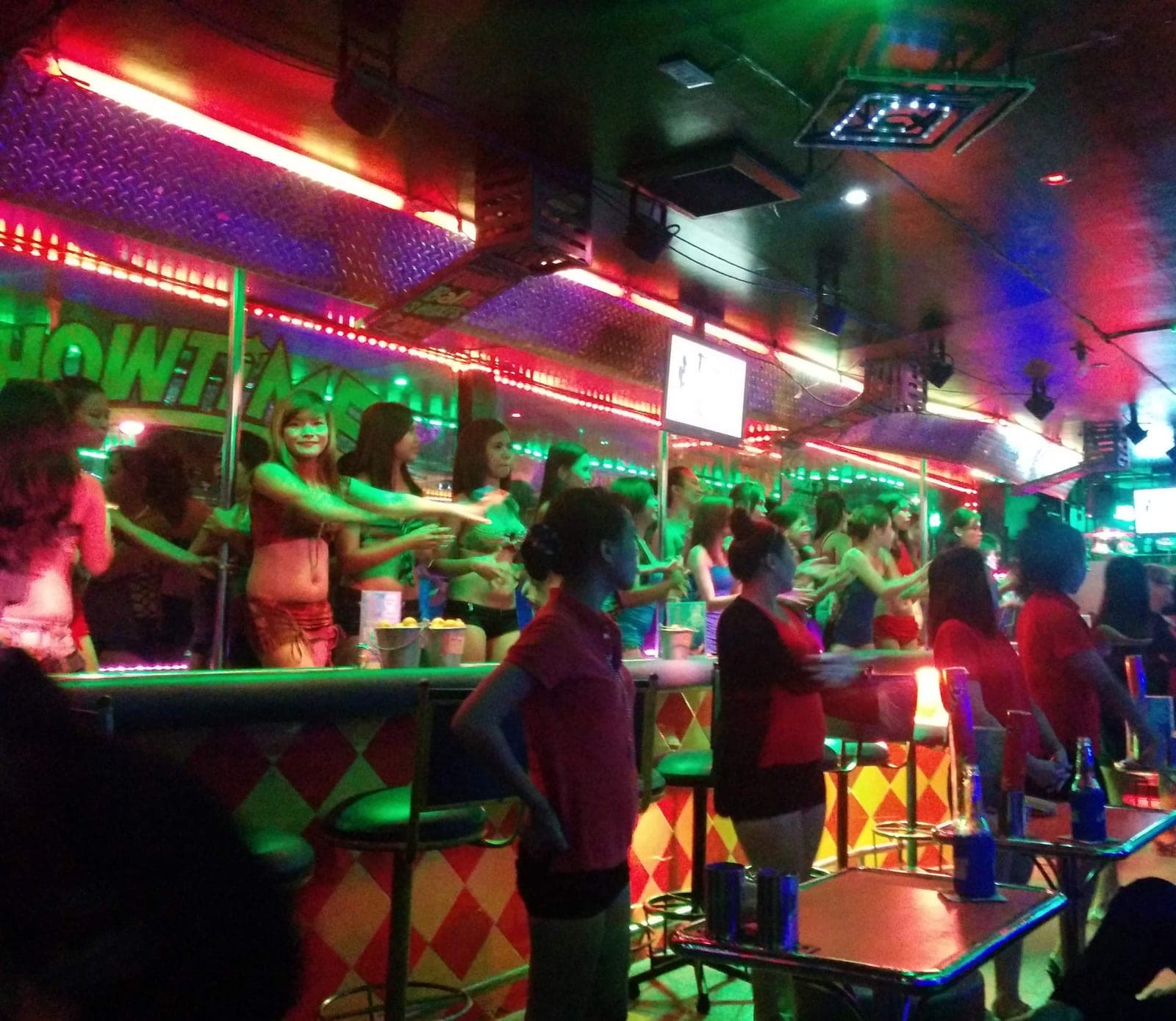
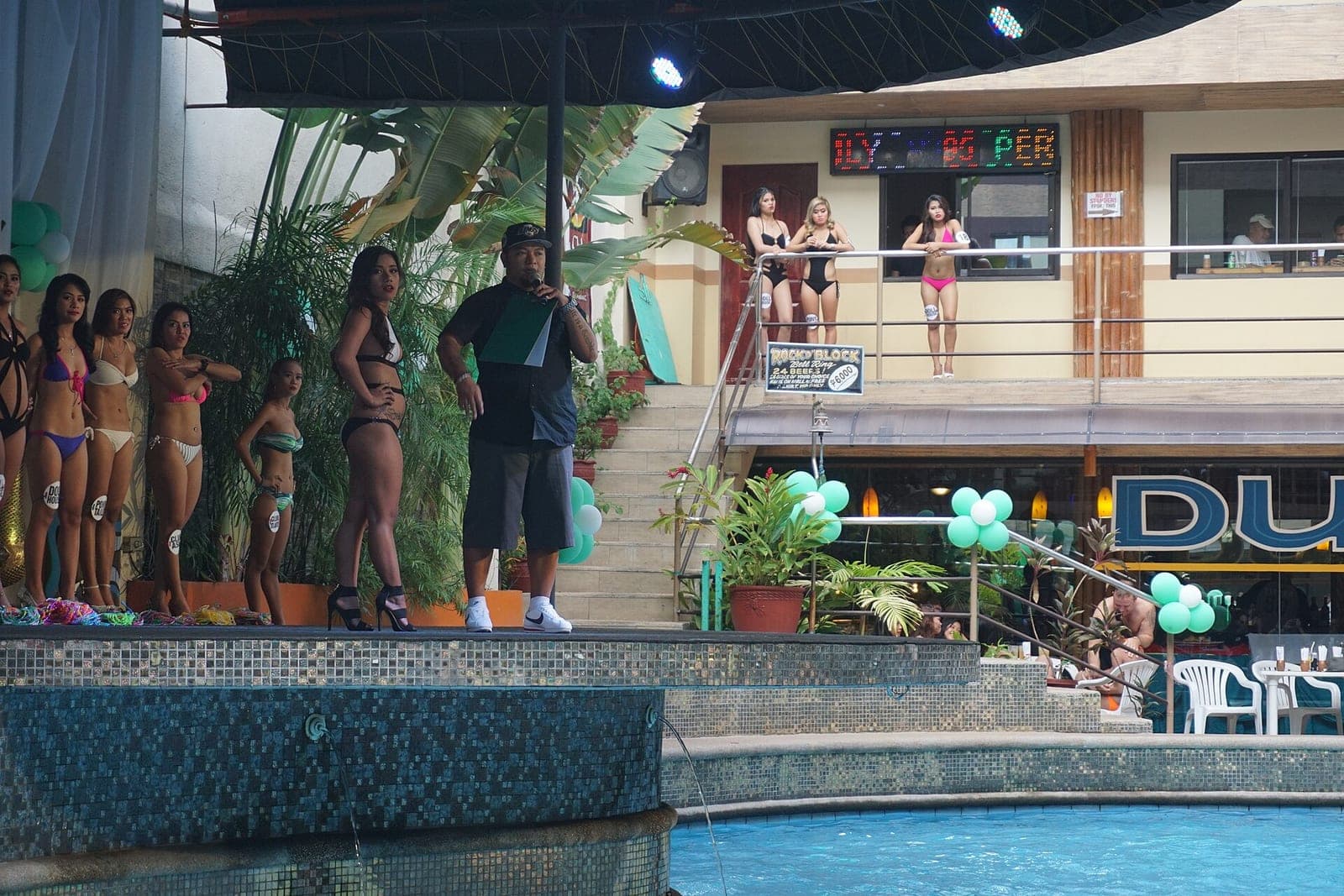
What’s actually here (as of August 2026)? Mostly go-go bars, which in Angeles means a room with a stage, a line-up of dancers in bikinis or less, a mamasan running the floor, and a drinks-based system for meeting the girls. The big names — Dollhouse, Viking, Rhapsody, Champagne, Salambo, Gecko’s, Monsoon, Q Bar, Lollipop, Centauro, Shipwrecked, La Bamba, Red, Valhalla, Angel Witch, Kings Landing, Muse — are all on this strip or a few steps off it. In between them you’ll find beer bars where the girls wait tables rather than dance, a couple of nightclubs (Club Atlantis is the long-runner), sports bars showing whatever’s on, street food carts, money changers, pharmacies, and enough massage shops to keep a rugby team supple. Kokomo’s and Margarita Station bookend the strip as the traditional meeting spots for anyone who wants a proper meal and a beer with no stage in front of them.
Since the pandemic the strip has had a bumpy few years. Reader reports and reviews from 2023–2025 describe dark shopfronts, a run of closures, and a long stretch where the road itself was torn up for drainage and repaving. City Hall floated a plan in late 2022 to rebrand the street as “Red Street”, an al fresco dining strip on the Lisbon model; the road works happened, the name never really stuck, and at the time of writing the arch still says Walking Street. What has changed is the mix: more Korean restaurants and bars, a younger and more mixed crowd on weekends, and a handful of the old rooms trading under new names. It is smaller than it was in 2010. It is also, on a Friday night in the dry season, still the busiest bar street in the country.
How the bars work. There is usually no cover charge anywhere on Walking Street. You walk in, sit down, and a waitress brings you a beer — a San Mig Light is typically ₱150–250 in a go-go bar and ₱90–130 in a beer bar as of August 2026, with the biggest rooms at the top of that range. If a dancer or waitress sits with you, you buy her a ladies’ drink — anywhere from around ₱250 in the smaller rooms to ₱600 in the flagships — and that is her commission for keeping you company. Nobody makes you buy one. The mamasan is the person to be nice to; she runs the room and can introduce you to whoever you’ve been staring at. Tip in cash, watch your tab, and pay as you go on your first couple of nights until you trust the room. That’s the whole system, and the how-go-go-bars-work guide takes it apart in detail.
When to go. Bars start opening around six or seven and the street is quiet, cheap and easy for conversation until about nine. It fills from ten, peaks between eleven and one, and the city’s closing ordinance has last call around three in the morning — some rooms stretch it on a weekend, most don’t. Thursday to Saturday are the big nights; Sunday and Monday are for the regulars. Peak season is roughly November through February and around Christmas, when hotel prices climb and the strip is elbow to elbow. In the rainy months (June to October) it’s quieter, cheaper and, frankly, more pleasant for the over-fifties among us.
Getting there and around. If you are staying anywhere along Fields Avenue or in Balibago you can walk. From the hotel towers in Malabañas it’s a ₱50–100 trike ride to the arch (agree the fare before you get in), from Korea Town or Perimeter Road allow ten minutes and ₱100–150, and from Clark airport it’s a Grab or a fixed-rate taxi of roughly ₱400–700 depending on the hour. Trikes are not allowed onto the pedestrian section at night, so they drop you at either end.
Safety and scams. Walking Street is well lit, well policed — there is a police station right on Fields Avenue — and one of the safer strips of its kind anywhere in Asia. The realistic risks are the mundane ones: bar tabs that grow faster than you counted, a fare that doubles when you get out of the trike, the odd pickpocket in a Saturday crush, and your own beer intake. Keep your phone in a front pocket, carry only the cash you mean to spend, use the ATMs inside the bigger hotels, and never, ever get involved with drugs — that is a prison sentence here, not a fine. The scams page and the safety page cover the rest.
- Stable tip: do a lap of the whole street before you sit down anywhere. Prices and line-ups vary more than the neon suggests, and the room that looks quiet at nine can be the best one at eleven.
- Stable tip: keep small notes. Change for a ₱1,000 note is a rare bird at midnight.
Harry remembers Fields Avenue before the arch, when this was just the western end of a dusty two-lane road with Nepa huts for bars and a jeepney every thirty seconds. It’s cleaner now, dearer now, and a fair bit tamer — and I still walk it most nights of the week. Have a look at the first-timers guide before your first lap, and if you’re planning your trip from home, most of the fellas who come back for a second visit had already been chatting to a girl or two online before they landed — see the online-dating-in-Angeles guide.
Where it is
The pedestrianised eastern section of Fields Avenue, Barangay Balibago, Angeles City — from the welcome arch near the MacArthur Highway to the Kokomo’s / A. Santos Street corner.
How to get there
Walk from any Fields Avenue or Balibago hotel; ₱50–100 trike from the Malabañas hotel towers; ₱100–150 trike from Perimeter Road or Korea Town; Grab or fixed-rate taxi from Clark airport (roughly ₱400–700, 20–30 minutes). Trikes drop you at either end after dark.
The vibe
Loud, neon, friendly and unhurried — Pattaya’s smaller, mellower cousin. Everyone is a regular by their third night.
Best for
- first-timers
- go-go bars
- bar hopping on foot
- people-watching
- a big Friday night
Safety note
Well lit and well policed, with a police station on Fields Avenue. Watch your tab, agree trike fares first, keep your phone in a front pocket, and treat drugs as the jail sentence they are.