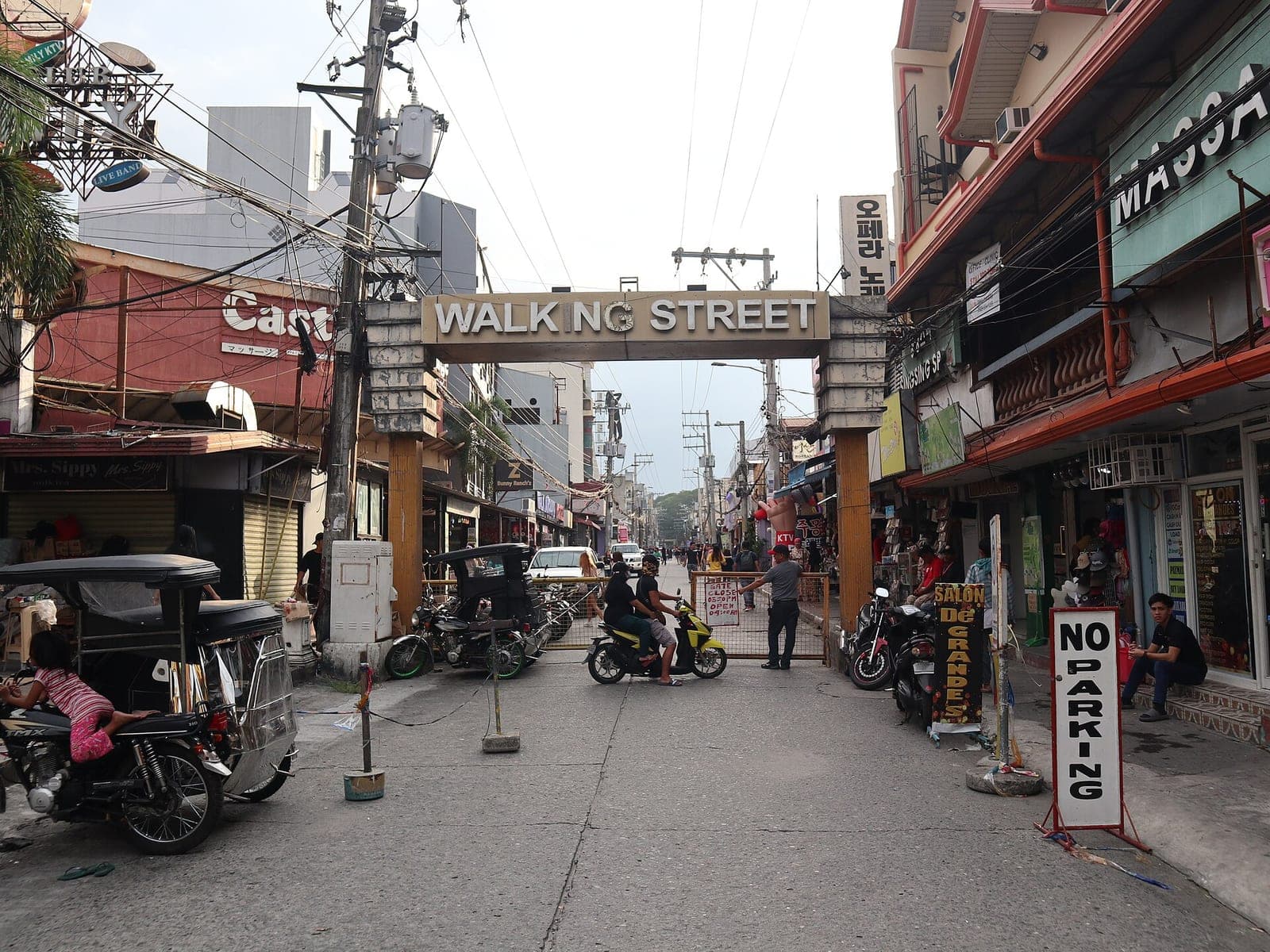


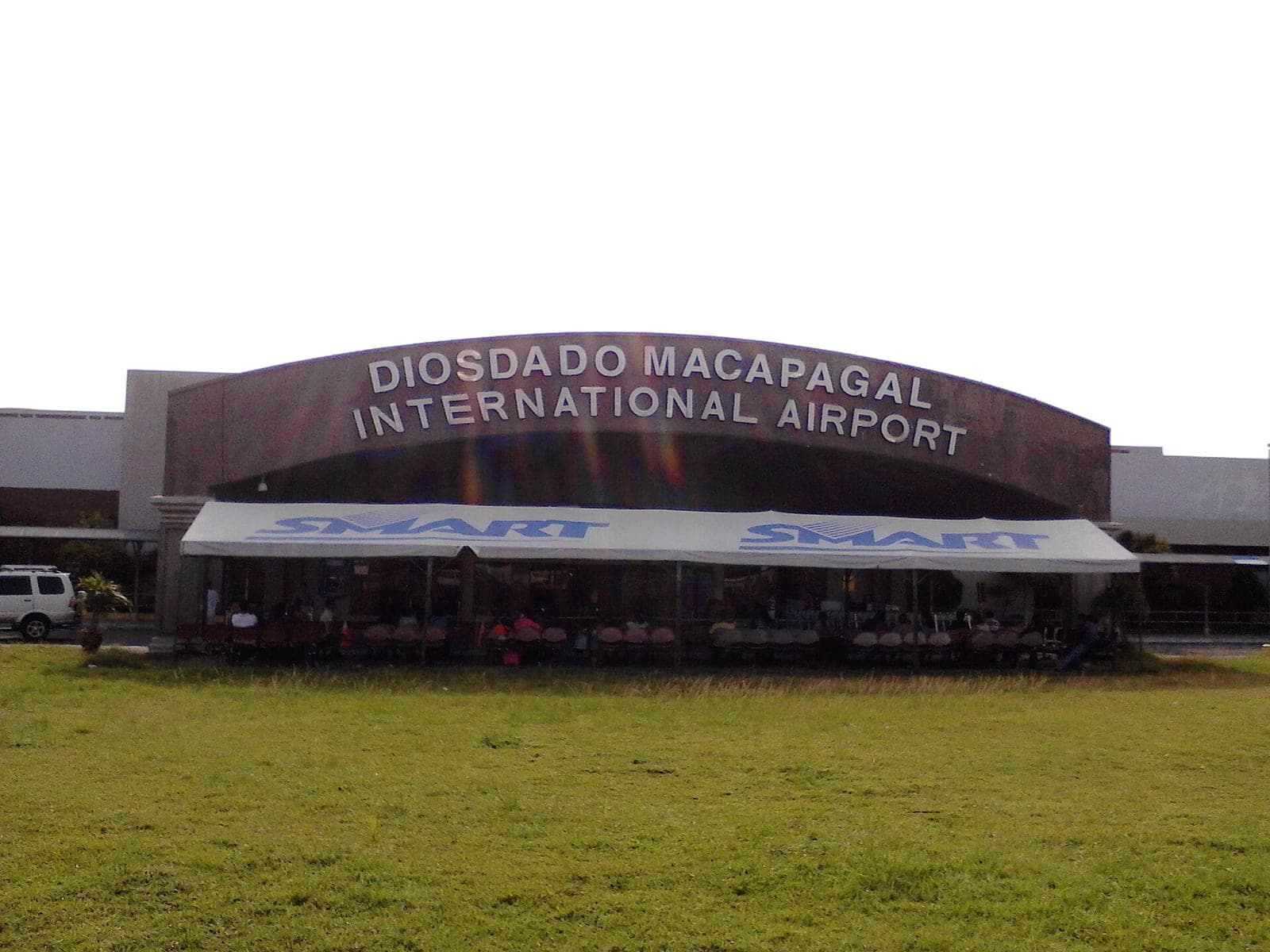
Clark International Airport (airport code CRK) is the international airport inside the Clark Freeport Zone, roughly 10–12 km and 15–25 minutes by road from Walking Street — which makes it, by a country mile, the best way to arrive in Angeles City. This page is everything I'd tell a mate the night before his flight: what the terminal's like, who flies there, what happens at immigration, and exactly how to get from the arrivals kerb to a cold beer on Fields Avenue.
What is Clark airport like in 2026?
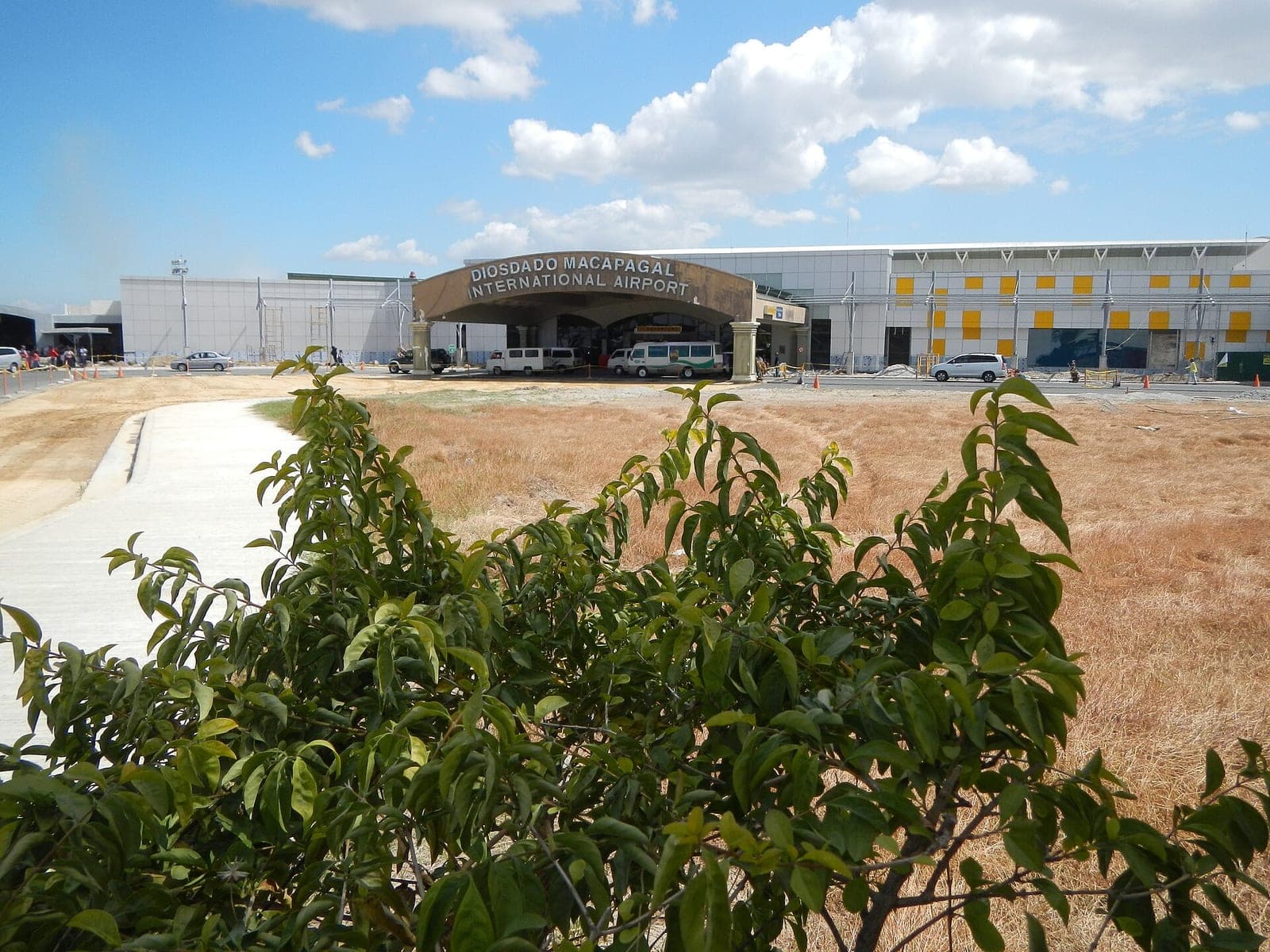
Lovely, honestly. The current terminal opened on 2 May 2022 and replaced the cramped old building that some of you will remember from the Tiger Airways days. It's a big, airy, four-level terminal built for around 12 million passengers a year — and since Clark handles a fraction of that, it feels half-empty most of the time. Short queues, jet bridges rather than buses across the tarmac, clean loos. After NAIA it's like walking into a spa.
The airport is run by a private operator (LIPAD) and sits on the old US air base, so the approach roads are wide and straight and everything's a bit more orderly than the rest of Pampanga. Passenger numbers have been growing every year since it opened, and there's a rail station for the North–South Commuter Railway being built alongside, targeted for around 2027 — one day you'll be able to train it from Manila. Not yet.
Which airlines fly to Clark?
More than you'd think, and the list keeps growing. As of August 2026 the regulars are:
| Airline(s) | Where from |
|---|---|
| Cebu Pacific / Cebgo | Bangkok, Hong Kong, Singapore, Tokyo (Narita); domestic Cebu, Davao, Iloilo, Caticlan (Boracay), Busuanga, El Nido |
| Asiana, Jeju Air, Jin Air | Seoul (Incheon) |
| Emirates | Dubai |
| Qatar Airways | Doha |
| EVA Air, Starlux | Taipei |
| Scoot | Singapore |
| HK Express | Hong Kong |
| PAL Express | Basco (Batanes), Busuanga |
| Sunlight Air | Various provincial routes |
Vietnam services (VietJet to Ho Chi Minh City, Cebu Pacific back to Hanoi) were announced for late 2026 at the time of writing, and there's a Nauru Airlines link that started in 2025. Routes come and go — check the airport's destinations page or your favourite flight search before you plan around one of these.
For Australians and Europeans, the Emirates and Qatar connections are the ones to know: one stop in the Gulf, then straight into Clark with no Manila transfer. Koreans, Singaporeans and Hong Kongers have had it easy for years.
What happens at arrivals?
Off the plane, along a bright corridor, down to immigration. Three things to have ready:
- Your passport, valid at least six months past your arrival date.
- Your eTravel QR code. Everyone entering the Philippines fills in the free eTravel form (etravel.gov.ph) within 72 hours of arrival — do it on your phone before you board. Anyone trying to sell you an "eTravel service" is a scam; the real thing costs nothing.
- Proof of onward travel — most Western passports get 30 days visa-free on arrival, and the officer may ask to see a ticket out. Have it in your email.
There are e-gates for some passport types, but don't be surprised to be waved to a manned counter. Immigration is usually quick here — I've been through in five minutes on a quiet morning and twenty on a bad one. Bags come out on the carousels below; customs is a nod and a green channel unless you're carrying something daft. If you're planning on staying longer than your visa-free period, read up on extensions in the Rules & Laws Tourists Break in Angeles City (Don't) page — overstaying is a fine you don't want.
Where do I get a SIM card, cash and coffee?
All in the arrivals hall, before you walk outside:
- SIM cards. Globe and Smart normally have booths right there. They'll register the SIM to your passport (the SIM Registration Act makes this compulsory) and load a data bundle for you. It's a few hundred pesos and worth doing before anything else. Full details and prices in the Money, SIM Cards & Wi-Fi in Angeles City guide.
- ATMs. Several bank machines in arrivals. Foreign cards work; expect the standard local withdrawal fee of ₱250–300 on top of whatever your bank charges, and a per-transaction cap of around ₱10,000–20,000 depending on the machine.
- Money changers. Airport rates are the worst in town. Change enough for the taxi and your first night, then use the money changers around Fields Avenue for the rest.
- Coffee and food. A couple of cafés and a convenience store landside; more once you're airside on departure.
- Wi-Fi. Free airport wifi, good enough to book a Grab and message your hotel.
How do I get from Clark airport to Walking Street?
Walk out of arrivals and you'll see the taxi and Grab bays. Here's the menu as of August 2026:
| Option | Typical cost | Time to Fields Ave | Notes |
|---|---|---|---|
| Grab | ₱350–500 | 15–25 min | Book from the designated pick-up bay; surge late at night |
| Coupon taxi (fixed fare) | ₱500–700 | 15–25 min | Pay at the desk, no haggling; slightly dearer than Grab |
| Hotel pick-up | Varies by hotel | 15–25 min | Book ahead; the driver meets you at arrivals with a sign |
| Tricycle from outside the Freeport | ₱150–200 | 30+ min | Trikes can't enter the airport; only worth it if you're already at the gate |
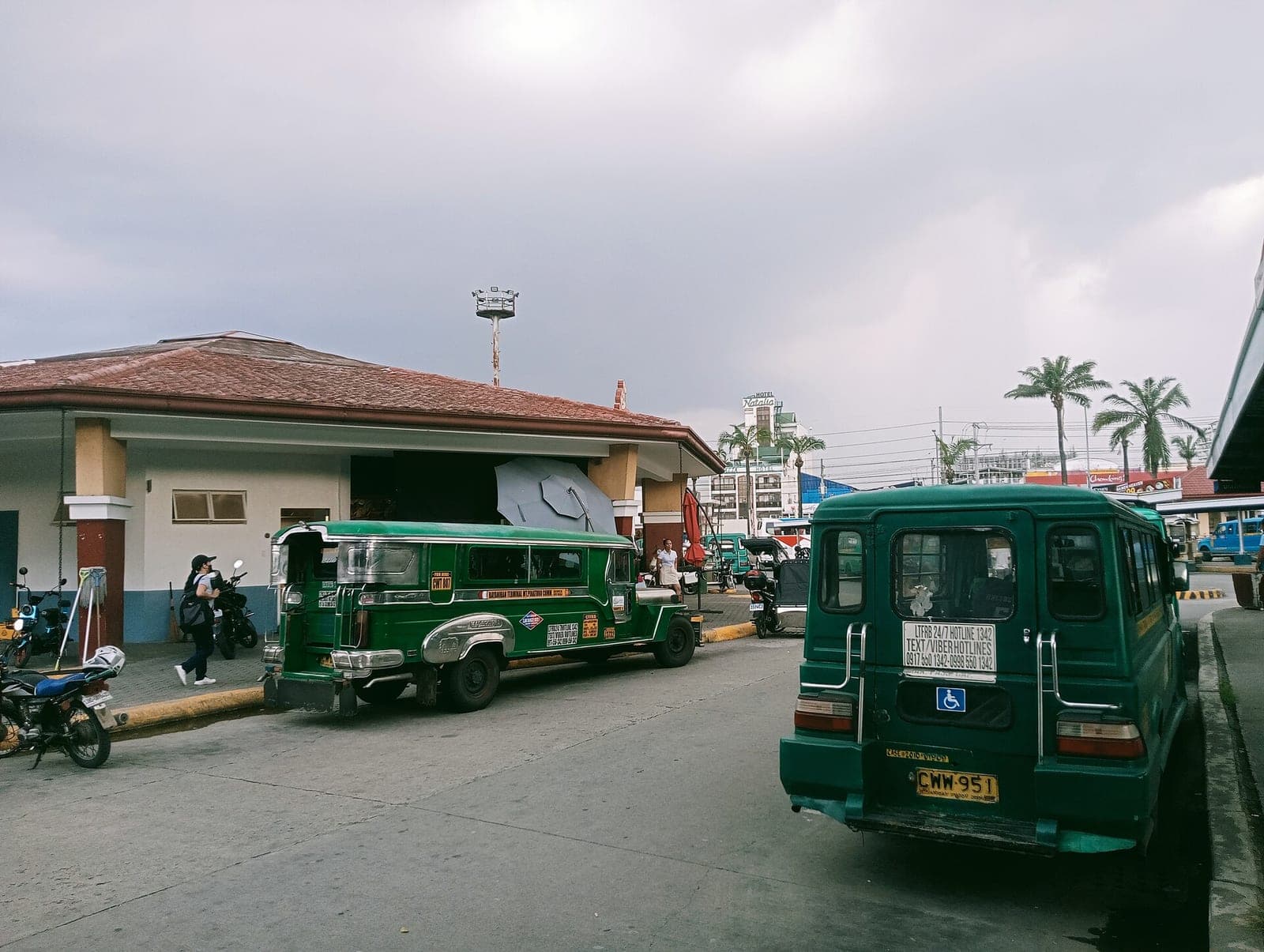
| Jeepney to Dau / SM Clark | ₱15–20 | 30–45 min | Cheap and cheerful, no fun with luggage |
| P2P bus to Manila (NAIA / TriNoma) | ₱350–520 | 2–3 h | For the return trip or if you're heading south |
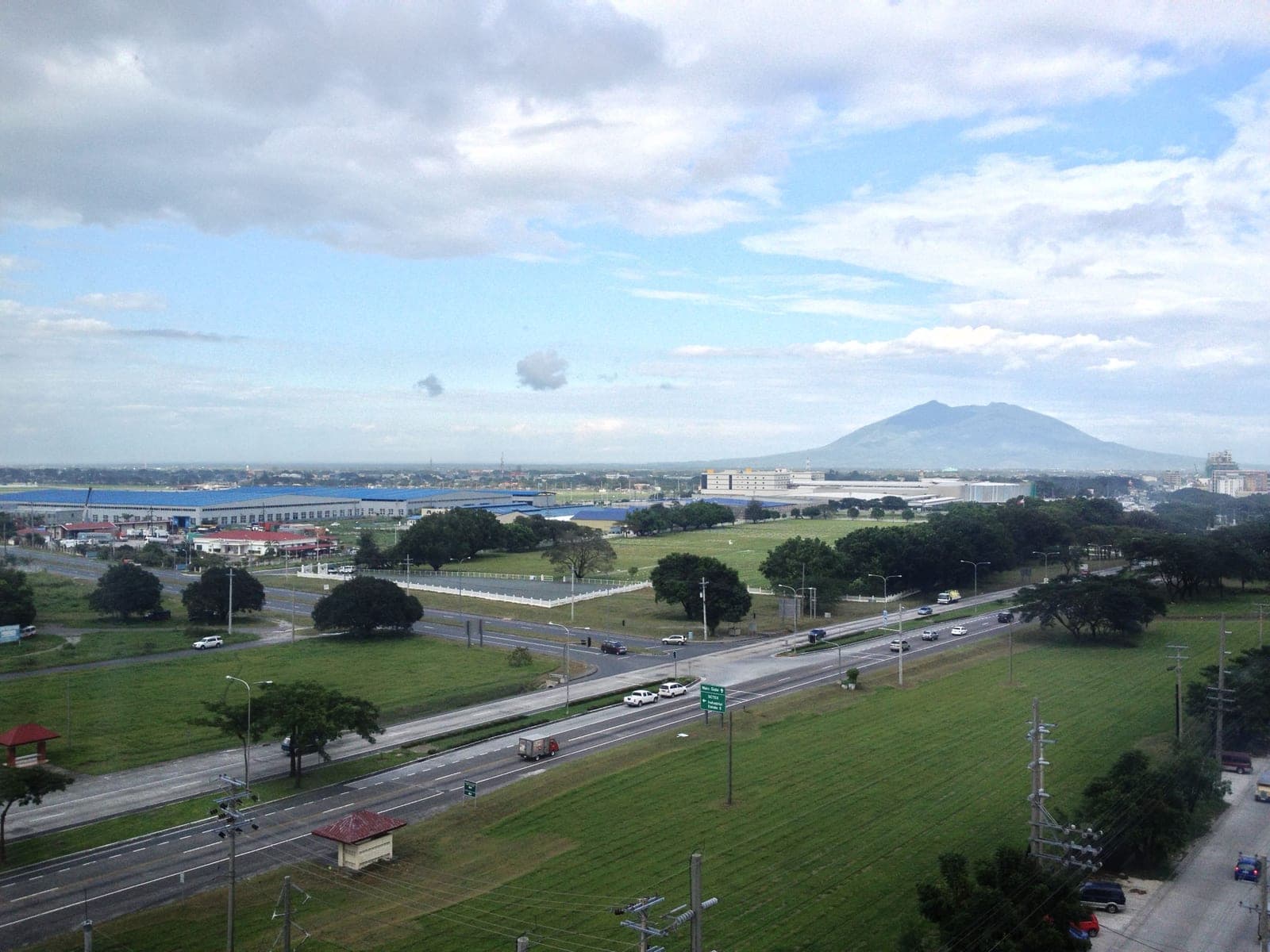
The route into town runs along the airport road, through the Freeport past the casinos and hotels of Clark Freeport Zone, out through the Clark main gate, and — bang — you're at the top of Fields Avenue. Most Fields hotels are five minutes further on.
How long does it really take?
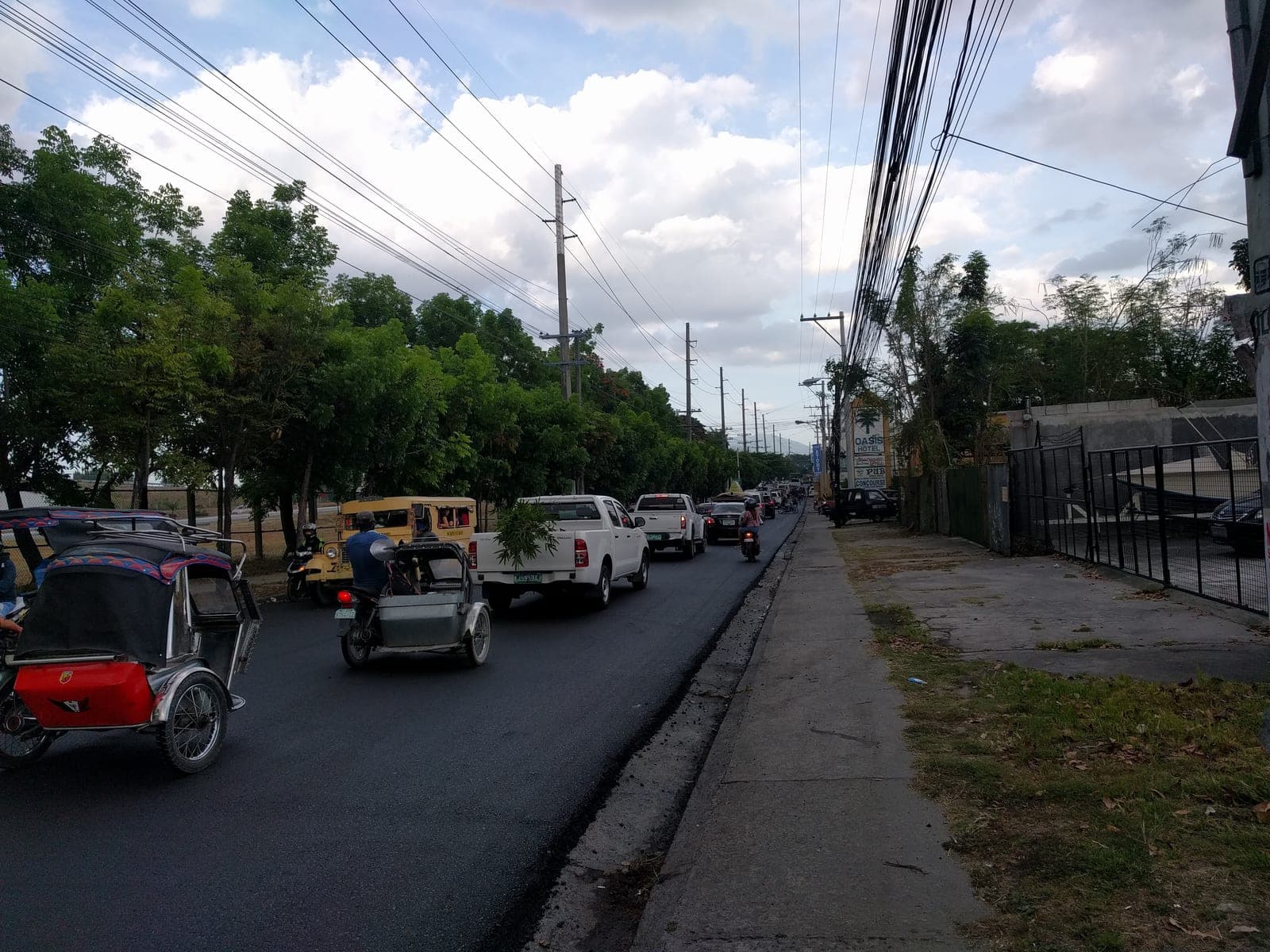
Fifteen minutes on a quiet morning. Twenty-five most of the time. The pinch point is the Clark main gate at the end of the working day (roughly 4:30–7pm), when Freeport workers head home and the queue backs up — allow forty minutes then. Rain slows it further; Angeles floods in patches during a proper downpour and MacArthur Highway crawls. None of this is a disaster; it just means don't book a 6pm massage for a 5:30 landing.
What about departing from Clark?
The nicest part. Getting to the airport from Fields Avenue is a Grab of ₱350–500 or a hotel car; leave 30–45 minutes earlier than you think you need in the late-afternoon crush. Check-in and security are quick, immigration is a stamp and a smile — as long as you haven't overstayed — and airside there are shops, a few restaurants and enough seating that you'll never fight for a plug socket.
A few practical bits:
- Terminal fees are folded into the ticket price by most airlines flying out of Clark. If your airline hasn't included it, there's a counter to pay it before immigration — check your booking.
- Travel tax (₱1,620 as of 2026) applies to Filipino citizens and foreign residents; short-stay tourists are exempt.
- Lounges. There's pay-per-use lounge space airside in the new terminal — check the airport site or your lounge-access programme for the current name and hours. Modest but comfortable, with proper coffee.
- Duty free is small. Buy your last-night gifts at SM Clark or Marquee Mall instead.
- Vapes and smokes go in your hand luggage per airline rules; the Philippines has strict vape laws, so don't get clever with quantities.
Is Clark really better than Manila for Angeles City?
For getting to the bars, yes, and it isn't close. If your fare into Clark is within a couple of hundred dollars of the NAIA one, take Clark and put the difference behind the bar. If you're stuck with NAIA, don't fret — the How to Get to Angeles City (From Manila, Clark & Beyond) guide covers the P2P bus and the vans that make that run painless too. And however you land, the Angeles City for First-Timers: The 2026 Guide will get you from the hotel door to your first San Mig on Walking Street without a wrong turn.