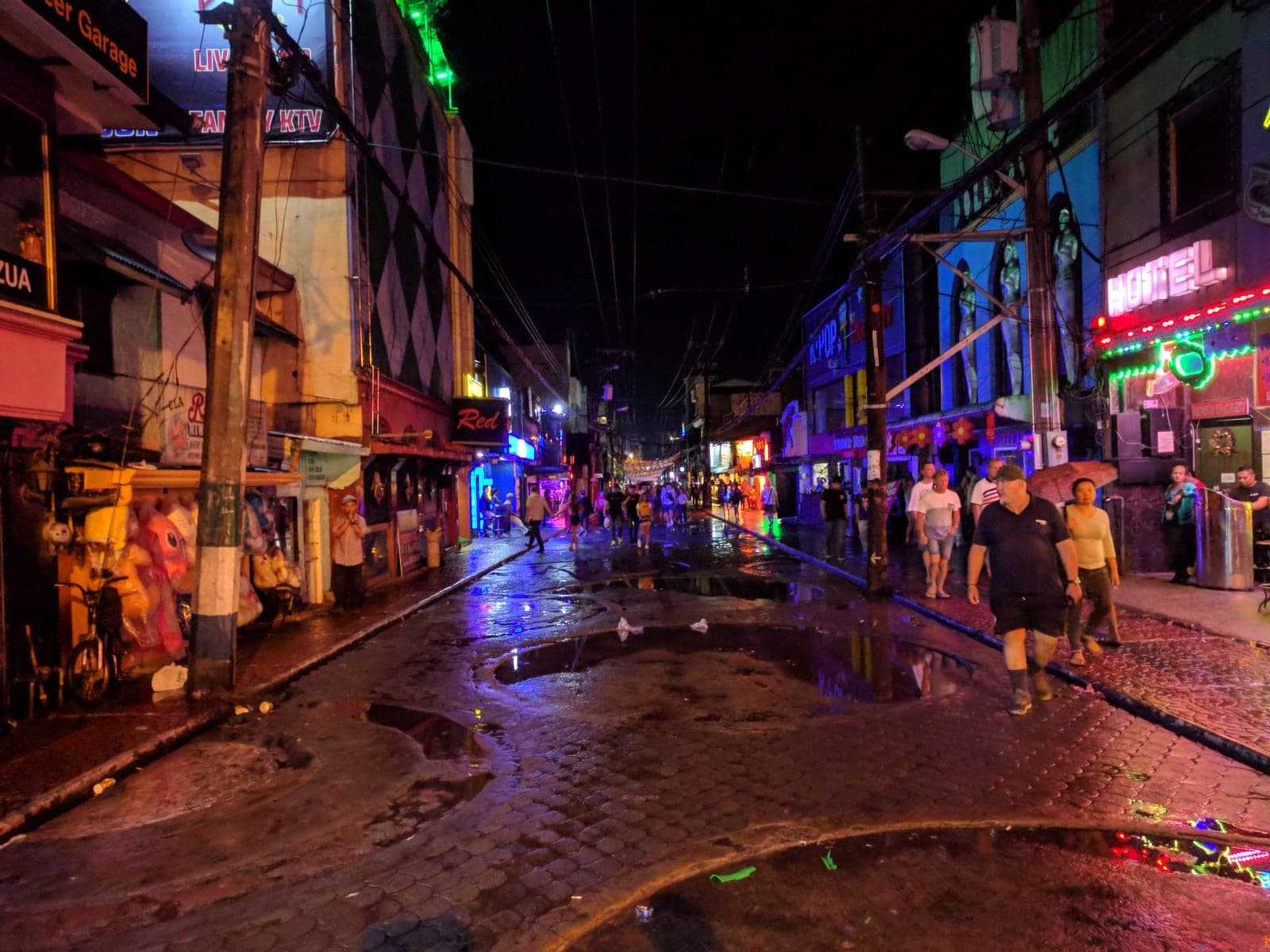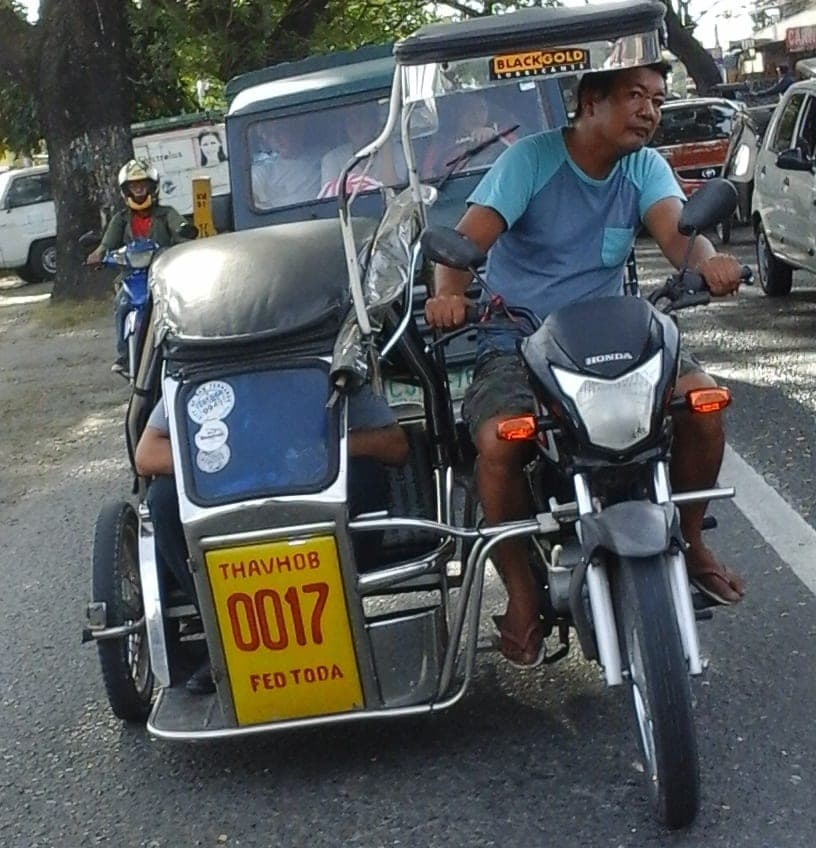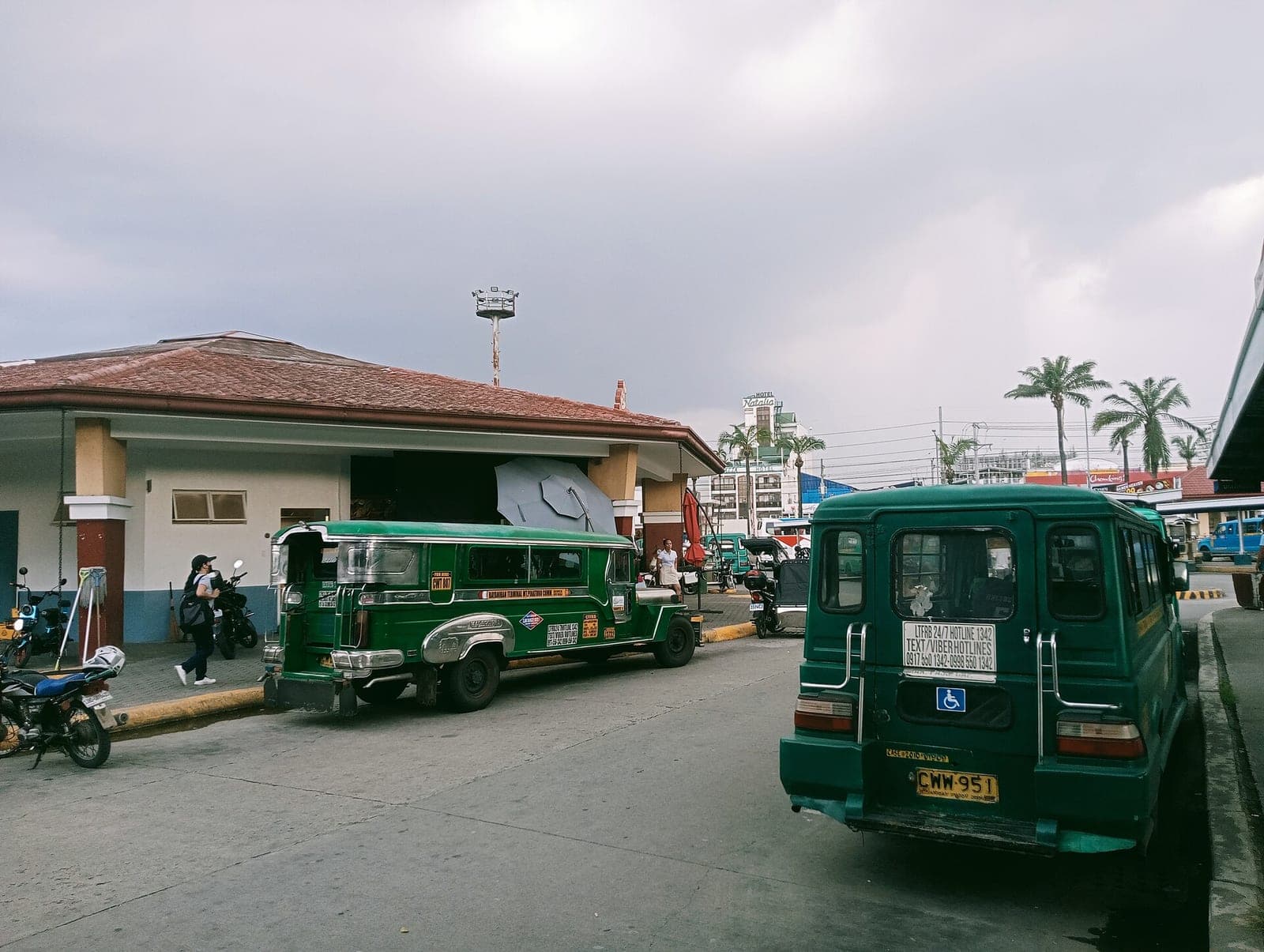



Money in Angeles City is simple once you accept one thing: it's still mostly a cash town. Cards work in the hotels, the malls and the better restaurants, GCash QR codes are on every counter, but the bars, the trikes, the sisig stalls and the girl selling cigarettes outside your hotel all want pesos in hand. Sort your cash, your SIM and your data in the first hour and the rest of the trip runs itself. Here's how, as of August 2026.
Should I bring cash or use cards?
Both, weighted towards cash. Bring some clean, large-denomination foreign notes (US dollars, Aussie dollars, pounds, euros, Korean won and yen all change easily here) for the money changers, and a debit card that doesn't charge you the earth for ATMs. Credit cards are for hotels, flights, the malls and the odd upscale meal; a handful of bars will take one, usually with a surcharge, but don't plan on it — and I'd rather not hand my card to a cashier in a dark room anyway.
The peso comes in notes up to ₱1,000, and the newer ones are plastic — polymer — after a rollout that started with the ₱1,000 note and moved on to the ₱500, ₱100 and ₱50; the old paper notes are still good. The everyday tip is to keep a stash of small notes and coins for trikes and tips; a driver with no change for a thousand is a daily event.
How do ATMs work for foreign cards?
Every major bank has machines along Fields Avenue, MacArthur Highway, inside the malls and at Clark airport — BDO, BPI, Metrobank, Landbank, Security Bank, UnionBank, PNB and more. Foreign Visa and Mastercard debit cards work in nearly all of them. The things worth knowing:
| Item | As of Aug 2026 | Notes |
|---|---|---|
| Local ATM fee (foreign card) | ₱250–300 | Flat, per withdrawal, on top of your bank's fees |
| Max per withdrawal | ~₱10,000–20,000 | Varies by bank/machine; do two pulls if you must |
| Best machines | Bank-branch ATMs, daylight | Skip lone machines in bar doorways |
| "Convert to your currency?" | Always decline | The ATM's rate is worse than your bank's |
| Busy days | 15th, 30th, holidays | Machines run dry on paydays and long weekends |
Because the fee is flat, withdraw the biggest amount the machine allows and go less often. Cover the keypad, give the card slot a wiggle, and if a machine keeps your card, deal with the branch or your bank — not the helpful stranger. More on that in the Angeles City Scams & Rip-offs to Avoid page. Bank branches open roughly 9am to 4 or 5pm on weekdays; ATMs are 24 hours.
Where should I change money in Angeles?
The money changers around Fields Avenue and Balibago — a dozen or more small shopfronts with rate boards, some inside the hotels and mini-marts — are where I've changed money for twenty-odd years. Their rates are usually a shade better than the banks and far better than the airport, they're quick, and they'll happily change dollars, Aussie, pounds, euros, won and yen. Rules of thumb:
- Clean, new, large notes get the best rate. Torn, marked or old-series notes get haggled down or refused. This is true across the Philippines.
- Compare two boards — the spread between shops is small but real on a big wodge.
- Count on the counter, in front of the teller, before you walk. Then put it away out of sight.
- Change what you need for a few days, not the whole trip; rates move and so do you.
- The airport rate is for emergencies. Change enough at Clark for the taxi and the first night.
Banks will change money too, but slower and generally at a poorer rate, and they may want to see your passport. If you're heading to Dau / Mabalacat or the malls, there are changers in SM Clark and Marquee Mall as well.
Can I use GCash or Maya as a foreigner?
Yes, and it's worth the faff if you're here more than a week. GCash and Maya are the two big e-wallets, and the QR codes are on every counter from 7-Eleven to the trike rank. As of August 2026 both let foreigners register and verify with a passport — the exact process has changed several times, sometimes needing an in-app selfie check, sometimes a visit to a partner outlet — and you'll need a Philippine SIM to receive the codes. Once it's live you can pay by QR, buy phone load, split a bill with a mate, and cash in over the counter at convenience stores or, with some foreign cards, straight from the app.
Two caveats: verification limits and app-store region quirks can trip you up, so set it up early with a coffee in hand rather than at a bar counter at midnight; and treat the wallet like cash — small balances, phone locked, SIM guarded (see the SIM-swap note on the Angeles City Scams & Rip-offs to Avoid page). For a short trip you can live perfectly well without it.
What are the tipping norms?
Short version: modest and frequent. Round up bills, hand a dancer or waitress who's looked after you a note or two, tip hotel cleaners a little, and don't tip trike drivers beyond rounding up unless he's gone out of his way. Many restaurants add a 10% service charge; a bit on top is nice, not required. The full etiquette — including how not to make a show of it — is on the Angeles City Bar Etiquette: Do's, Don'ts and How Not to Be That Guy page.
Which SIM should I buy and where?
Three networks: Globe, Smart and DITO. Globe and Smart have the widest coverage and are neck-and-neck around Angeles and Clark; DITO is cheapest and improving but can be patchy indoors and out of town. I carry Smart; half my mates carry Globe; nobody's ever won the argument.
Where to buy: the booths at Clark airport arrivals, the network stores and kiosks in SM Clark, Marquee Mall or Nepo Mall downtown, and plenty of small phone shops along MacArthur Highway. Since the SIM Registration Act (RA 11934) every SIM must be registered to an ID before it works — the shop or booth does it for you against your passport in a couple of minutes, which is one more reason to buy from a proper counter rather than a stall.
What it costs, as of August 2026:
| Item | Typical price | Notes |
|---|---|---|
| Prepaid SIM (Globe / Smart / DITO) | ₱60–500 | Often comes with a small starter bundle |
| 30-day data bundle | ₱599–999 | Plenty for maps, messaging, video calls |
| Top-up ("load") | Any amount | 7-Eleven, sari-sari stores, GCash, network apps |
| Tourist SIM at the airport | Bundle priced | Convenient; slightly dearer than the mall |
The networks run rolling promos — Globe's Go/GoSURF-style bundles, Smart's Giga/Power All-style ones — that change names every year, so just tell the counter roughly how much data and how many days and let them pick. Buy load at any 7-Eleven or through the network's app when it runs out.
eSIM: Globe and Smart both offer prepaid eSIMs now, bought online or in a store, and the travel eSIM providers (the ones that roam on the local networks) all work fine here — dead handy if you want data the second you land. The trade-off is that a travel eSIM gives you no Philippine number, which you'll want for GCash, deliveries and messaging girls who don't use your app of choice. My advice: travel eSIM for the airport, physical Globe or Smart SIM by the end of day one.
How good is the wifi in Angeles City?
Better than its reputation, patchier than home. Fibre from PLDT, Converge and Globe is all over Balibago and Clark now, so mid-range and upscale hotels generally give you enough for video calls and Netflix; budget guesthouses are a lottery — sometimes great, sometimes one router serving three floors of blokes streaming football. Ask for a room near the access point, and if it matters, ask for a speed test before you commit to a month.
Cafés and malls have free wifi (the coffee chains at SM Clark and Marquee, and the expat breakfast spots on Fields Avenue — a cup is about ₱130–200), and there are co-working desks around Clark Freeport Zone for the digital-nomad crowd. A few resorts and cafés advertise Starlink; I wouldn't plan a trip around it, but it's real. Power cuts happen — brief ones every few weeks, longer ones in typhoon season — which is the other reason every expat here treats a data SIM as the primary connection and the wifi as the bonus. Tether and carry on.
The short version
Bring some big clean notes and a sensible debit card. Change at the Fields Avenue shops, not the airport. Withdraw big and rarely from bank ATMs and decline the currency conversion. Buy a passport-registered Globe or Smart SIM on day one and add a data bundle. Set up GCash if you're staying a while. Tip small and often. And keep some small notes in a separate pocket for the trike home — the Getting Around Angeles City: Trikes, Jeepneys, Grab & Walking page will tell you what he should charge, and the Cost of Living in Angeles City (2026 Numbers) guide what all this adds up to over a month.