

The best day trips from Angeles City are Mount Pinatubo's crater lake (a 4x4 ride and a trek, dawn start), Subic Bay (beaches, a safari park, duty-free shopping, 60–90 minutes away) and Clark itself, which is on your doorstep — plus a second tier for the curious: Puning Hot Spring, the lahar-buried church at Bacolor, San Fernando's Giant Lantern Festival in December, and Mount Arayat for anyone whose knees are younger than mine.
Angeles is a bar town, and I'd never pretend otherwise. But every trip needs a day out of the neon, and Pampanga happens to have a volcano, a bay and a lot of history within an hour's drive. Here's how they compare and how to do each one.
Which day trip should I pick?
| Trip | From Balibago | Time needed | Cost per person (Aug 2026, approx.) | Effort | Best season |
|---|---|---|---|---|---|
| Mount Pinatubo crater | ~1 hr to Santa Juliana, Capas | Full day, 04:00–15:00 | ₱2,700–3,500 shared tour; a bit less DIY | High: heat, 3–4 hrs walking | Nov–May; wet-season walk is longer |
| Subic Bay | 60–90 min via SCTEX | Full day | ₱1,500–4,000 depending on car and attractions | Low–medium | Year-round; beaches best in dry season |
| Clark Freeport | 10–20 min | Half day or evening | ₱500–2,000 (entries, food; casino is your business) | Low | Year-round |
| Puning Hot Spring | ~1 hr into Porac | Half to full day | ₱3,000–4,800 package | Low–medium: bumpy 4x4, then soaking | Nov–May; often closed after heavy rain |
| Bacolor lahar church + San Fernando | 30–40 min | Half day | Under ₱1,000 incl. lunch and a trike/car share | Low | Year-round; December for the lanterns |
| Giant Lantern Festival | 30–40 min | Evening | Free–cheap; parking/tickets vary by year | Low | Mid-December only |
| Mount Arayat | 30–40 min to the jump-off | Full day | ₱1,000–2,000 incl. guide and fees | Very high: steep 3–4 hr climb | Dry season only |
Cost figures assume two to four people sharing a car; solo travellers pay more per head. Everything below is as of August 2026 — Pampanga tourism fees change often, so confirm totals when you book.
What's the Mount Pinatubo trek actually like?
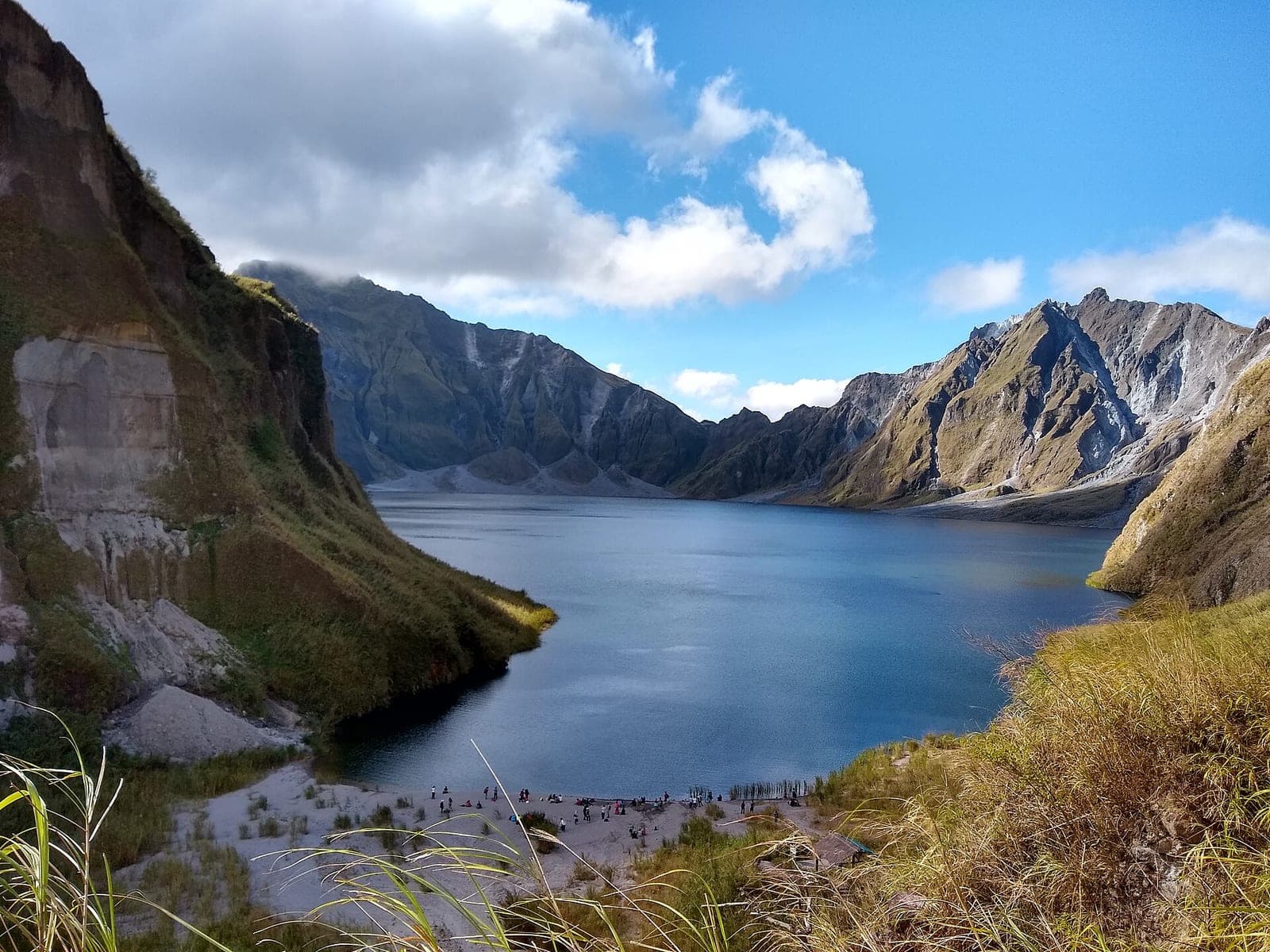
Mount Pinatubo is the volcano whose June 1991 eruption buried this whole region in ash and lahar and, with a bit of help from the Philippine Senate, closed Clark Air Base for good. The crater it left behind filled with rain to become a turquoise lake about 2.5 km across, and getting there is the best day out in Central Luzon.
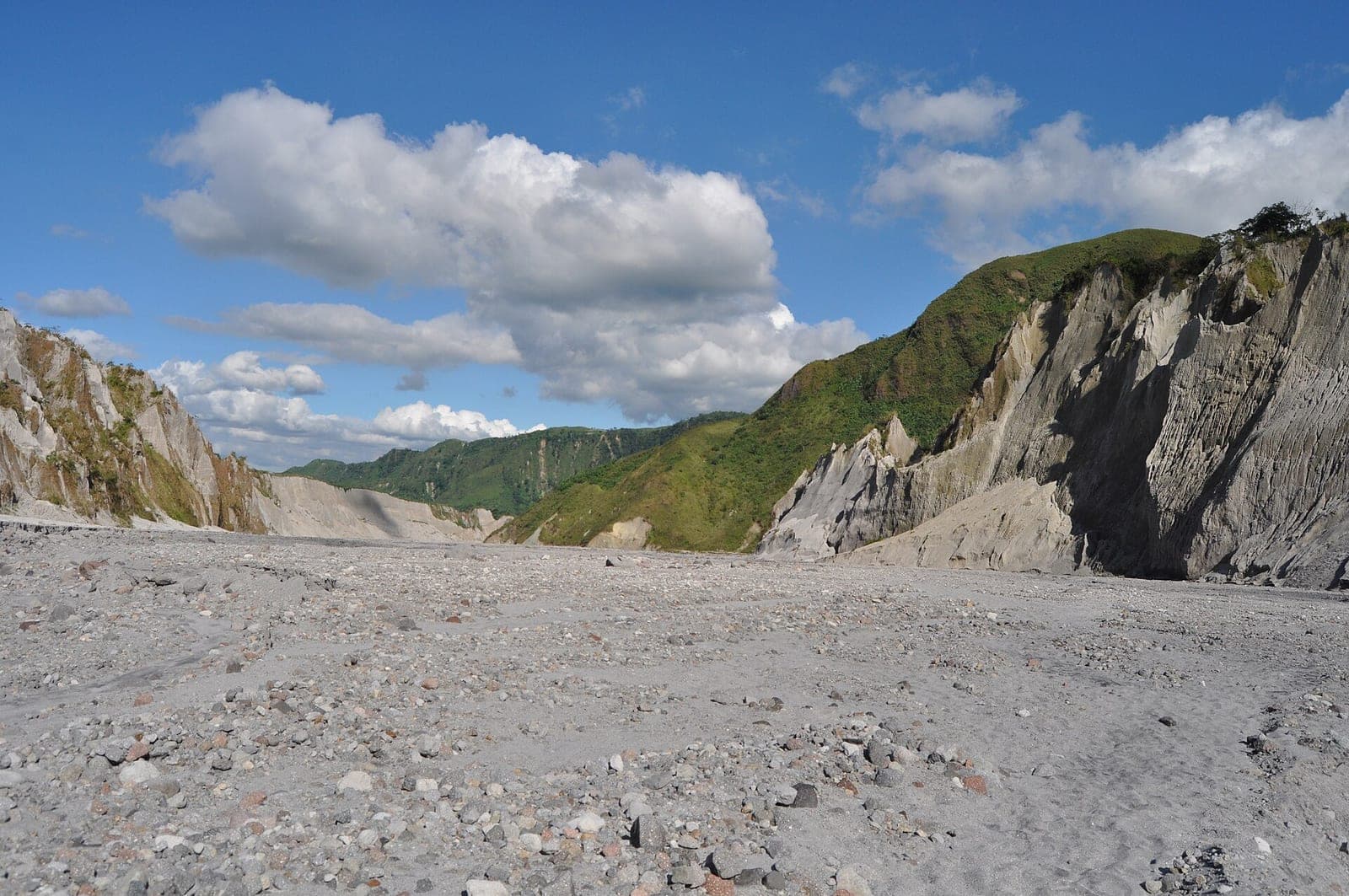
The shape of the day. You're picked up in Balibago around 4am and driven roughly an hour to the jump-off at Barangay Santa Juliana in Capas, Tarlac, where you register (registration closes around 7am — the trail is timed to beat the midday heat). You then spend an hour or so bouncing across the lahar plain in an open 4x4 through a grey moonscape of ash cliffs and braided streams — this is half the fun — before the jeep parks and you walk. In dry season the jeeps get closer and the walk is 1.5 hours or so each way; in wet months they stop earlier and it stretches past two. The last stretch climbs steps to the crater rim, and then the lake is below you and you understand why you got up. Swimming has been banned for years; you sit, you stare, you take the photo, you walk back. Most groups are back in Angeles by two or three in the afternoon.
What it costs. Doing it yourself at Santa Juliana you pay separately for the 4x4 (per jeep, up to five people), a local guide (per group), the Capas conservation fee (per head) and a newer per-person fee collected on the Botolan side of the trail; as of early 2026 that came to roughly ₱2,500–3,500 a head for a small group sharing a jeep. Shared tours from Clark or Angeles with hotel pick-up run ₱2,700–3,500 per person and take the organising off your hands, which at 4am is worth something.
Practicalities. Trainers you don't mind ruining, a hat, sunscreen, two litres of water, cash for the fees, and a dry bag for the phone. Breakfast is whatever you carry. Trail conditions depend on the O'Donnell River — after heavy rain the crossings flood and the trail closes at short notice, so book with a refund clause in wet season and have a plan B. There's a fuller write-up planned as its own guide; until then the tour operators in Clark and Balibago hotels will book you on the spot.
What's worth doing in Subic Bay?
Subic Bay Freeport, an hour and a bit south-west of Angeles via SCTEX, is the old US Naval Base — the Navy left in 1992, a year after the Air Force left Clark — and it's now a leafy, orderly, slightly surreal enclave of beaches, jungle, duty-free shops and family attractions on Subic Bay. It's the natural counterpart to a Clark trip and a proper full day.
- Beaches: the Freeport beaches are small, calm and clean — Camayan Beach Resort and All Hands Beach are the usual picks for a day pass, and Dungaree Beach is the quieter local option. Nobody's mistaking it for Boracay, but a swim and a lounger with a cold beer at noon does wonders after three nights on the strip.
- Zoobic Safari: a drive-through tiger enclosure and a mixed zoo in the jungle on the Freeport's western side. Kitschy, fun, a couple of hours; entrance a few hundred pesos as of 2026, more with the extras.
- Ocean Adventure: the marine park by Camayan, with dolphin and sea lion shows — around ₱850 for an adult ticket as of 2026, or a combined pass with the adjoining water park.
- Duty-free: the big draw for old hands. Royal Duty Free and Puregold Duty Free sell imported groceries, spirits and cigarettes at good prices; bring your passport, and note there are personal purchase limits that change from time to time.
- Eating: the waterfront strip near the main gate has decent seafood, and Olongapo City just outside the gate is a real town with cheap eats and its own bar strip along Magsaysay Drive.
Getting there: a private car or Grab from Balibago is simplest — 60–90 minutes each way — and hotels will arrange a driver for the day. Victory Liner runs from the Dau terminal (see Dau / Mabalacat) to Olongapo if you'd rather bus it, then a jeepney or taxi into the Freeport. If you're wondering whether Subic could be a base rather than a day trip, that argument is settled — one way or the other — in Subic Bay vs Angeles City: Which Nightlife Trip Is Right for You?.
What can I do in Clark without really leaving town?
Clark Freeport Zone is the old air base turned economic zone, ten to twenty minutes from Fields Avenue by trike or Grab, and it's the lazy man's day trip: wide, quiet, tree-lined avenues, a lot of American-era space, and a handful of things worth doing.
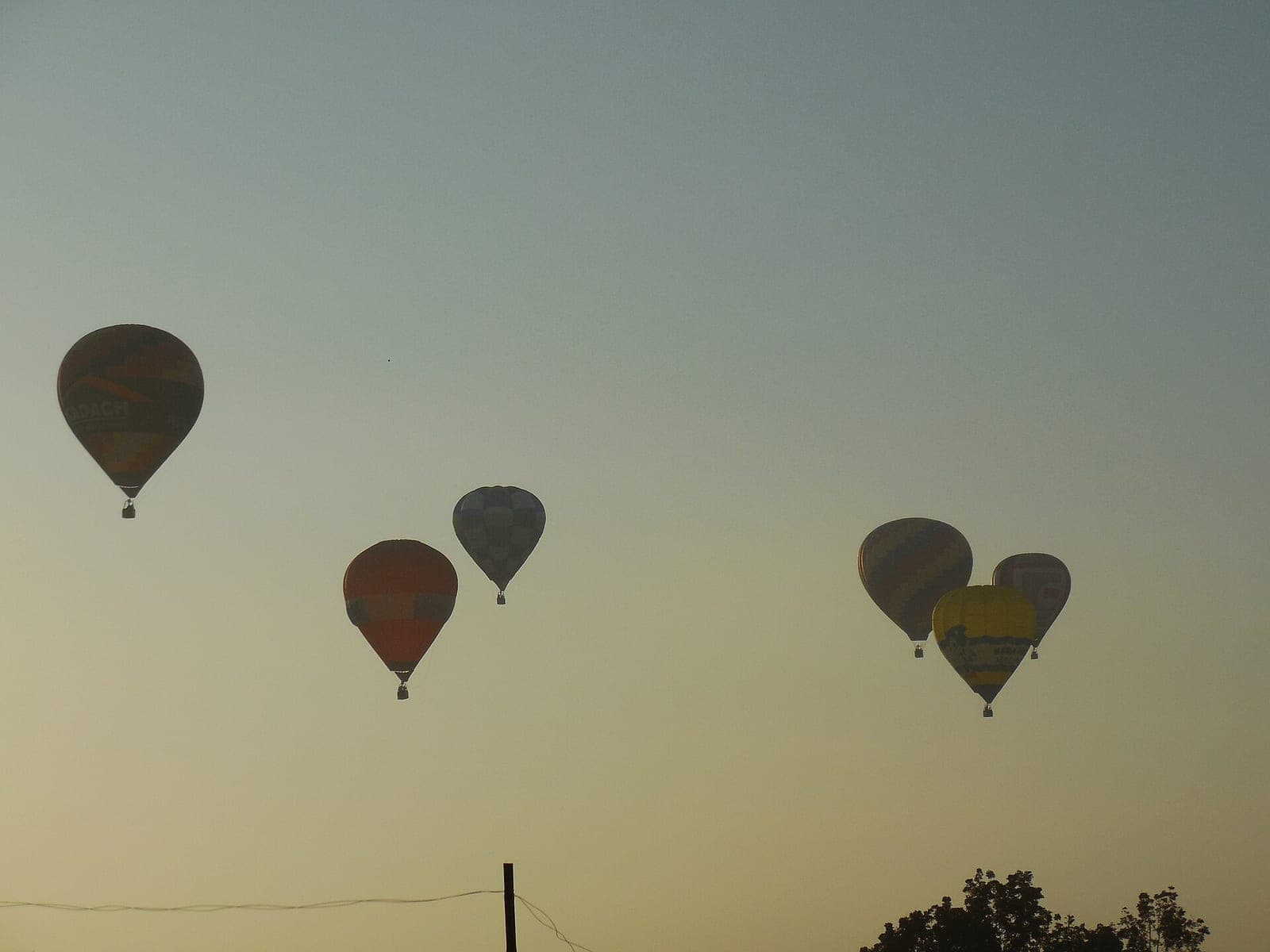
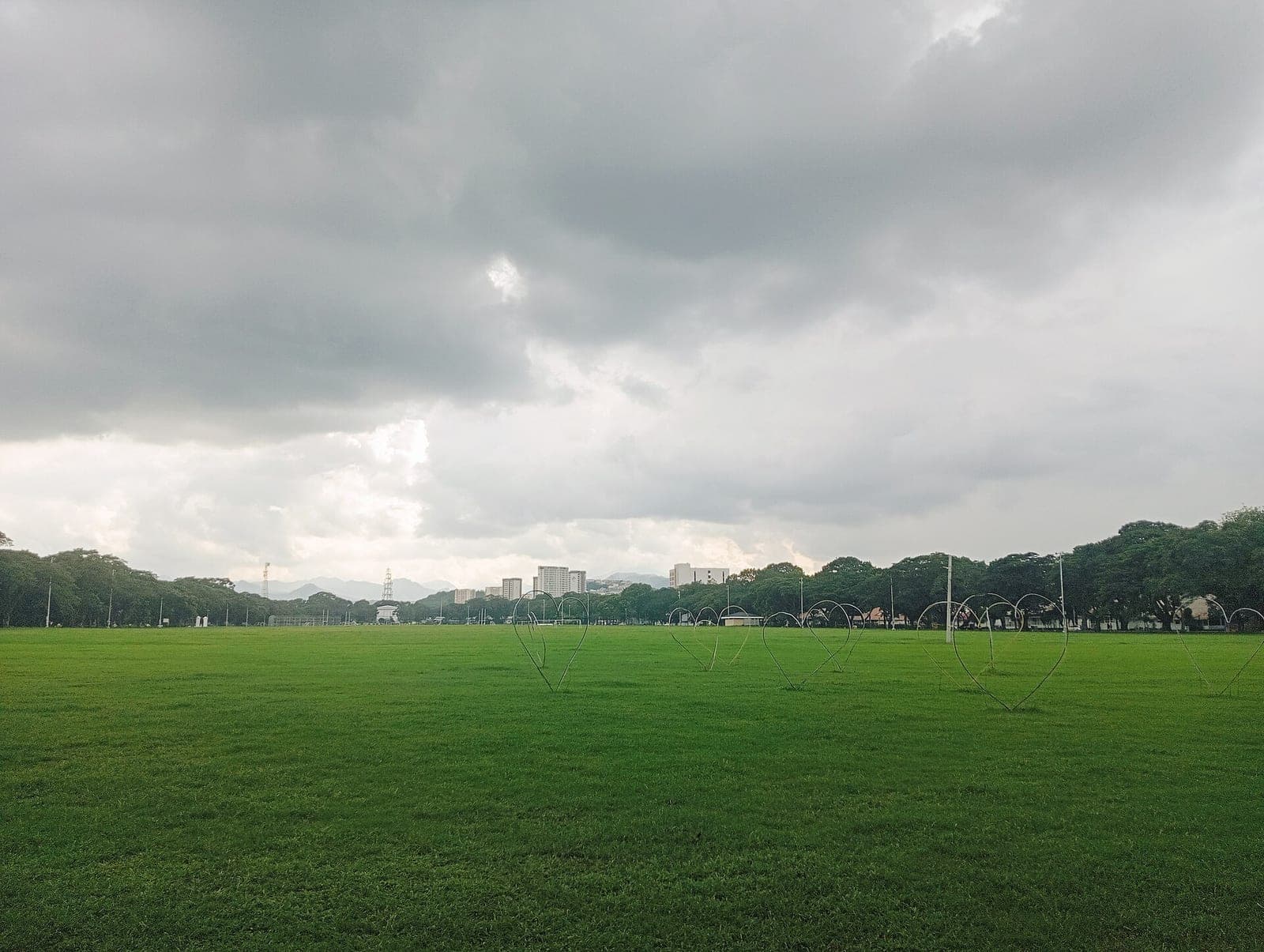
- The Clark Parade Grounds and Clark Museum: the old base parade ground is a big open lawn where the Balloon Fiesta was traditionally held; the museum beside it, with a 4D theatre, tells the base and Pinatubo story in an hour and is better than it sounds. Nearby, the aviation displays of old aircraft at Air Force City are a pleasant wander.
- Casinos: the reason most blokes come. Hann Casino Resort is the big one; Royce Hotel & Casino and Widus Hotel Clark are the other names, and there are smaller rooms in the hotel strips. Smart casual, passport for registration, and minimum bets from around ₱100–500.
- Water parks and pools: Fontana Leisure Parks and Aqua Planet are the two big water parks — a hangover cure of a very specific kind — and several Clark hotels sell day passes to their pools.
- Malls and food: SM City Clark and the Marquee Mall in Dau for air-con, a film and a supermarket; Korean, Japanese and American chain restaurants everywhere. Not romantic, but on a 34°C afternoon it's paradise.
- Nayong Pilipino Clark: the cultural theme park of Filipino heritage houses. Closed for renovation since 2019, and, despite several announced reopenings, still shut as of August 2026 — ask locally before you go.
- Golf, horses, wakeboarding: Mimosa and Clark Sun Valley courses, El Kabayo stables, and the Deca wakeboard park round out the options for the energetic.
Is Puning Hot Spring worth it?
Yes, especially if Pinatubo sounds like too much. Puning Hot Spring sits up a lahar river valley in Porac, west of Angeles, on land of the indigenous Ayta community, and the day is a sort of Pinatubo-lite: a 4x4 ride up the river bed (a bumpy hour, less), then a set of hot pools at various temperatures fed by the volcano, a "sand spa" where you're buried in hot volcanic sand, a mud pack, a foot massage, and a buffet lunch. It's sold as a package — around ₱3,000–4,800 per person as of August 2026 depending on the operator, group size and whether transfers are included — and it takes half a day to a day. It's genuinely relaxing, it's kind on knees, and it makes a good "day 5" in the Angeles City Itineraries: 3 Nights, 5 Nights, a Week. It closes when the river's up after heavy rain, so it's a dry-season plan.
What's the Giant Lantern Festival in San Fernando?
The City of San Fernando, thirty-odd minutes south of Angeles, calls itself the Christmas capital of the Philippines, and the reason is the Ligligan Parul — the Giant Lantern Festival — a competition between barangays that has run since the early 1900s. Teams build parol lanterns about six metres across, wired with thousands of bulbs and driven by hand-built rotor systems, and on one Saturday evening in mid-December (13 December in 2025, at Robinsons Starmills) they compete in a light-and-music show that lasts a couple of hours. The lanterns then stay on display through Christmas. Entry is free or cheap, the crowd is enormous and cheerful, and it's the single most un-Angeles thing you can do while staying in Angeles. Get there early, eat at Everybody's Cafe beforehand — the classic Kapampangan restaurant of San Fernando — and check the exact date each year.
What's the lahar church at Bacolor?
Bacolor is a town just south of Angeles that was one of the worst hit by the lahar flows in the years after the 1991 eruption. Its centuries-old San Guillermo Parish Church was half buried in 1995 — the lahar filled the nave to roughly half its height — and rather than abandon it, the town dug out the upper part and kept using it. You now walk in through what used to be the top of the windows, with the arches of the old doorways at your feet, and there's a small museum with before-and-after photos and a lahar-buried altar. It's a sobering, oddly beautiful half-hour, thirty to forty minutes by car from Balibago, and it pairs naturally with lunch in San Fernando or a plate of sisig at Aling Lucing's Sisig on the way back to Downtown Angeles. Leave a donation.
Should I climb Mount Arayat?
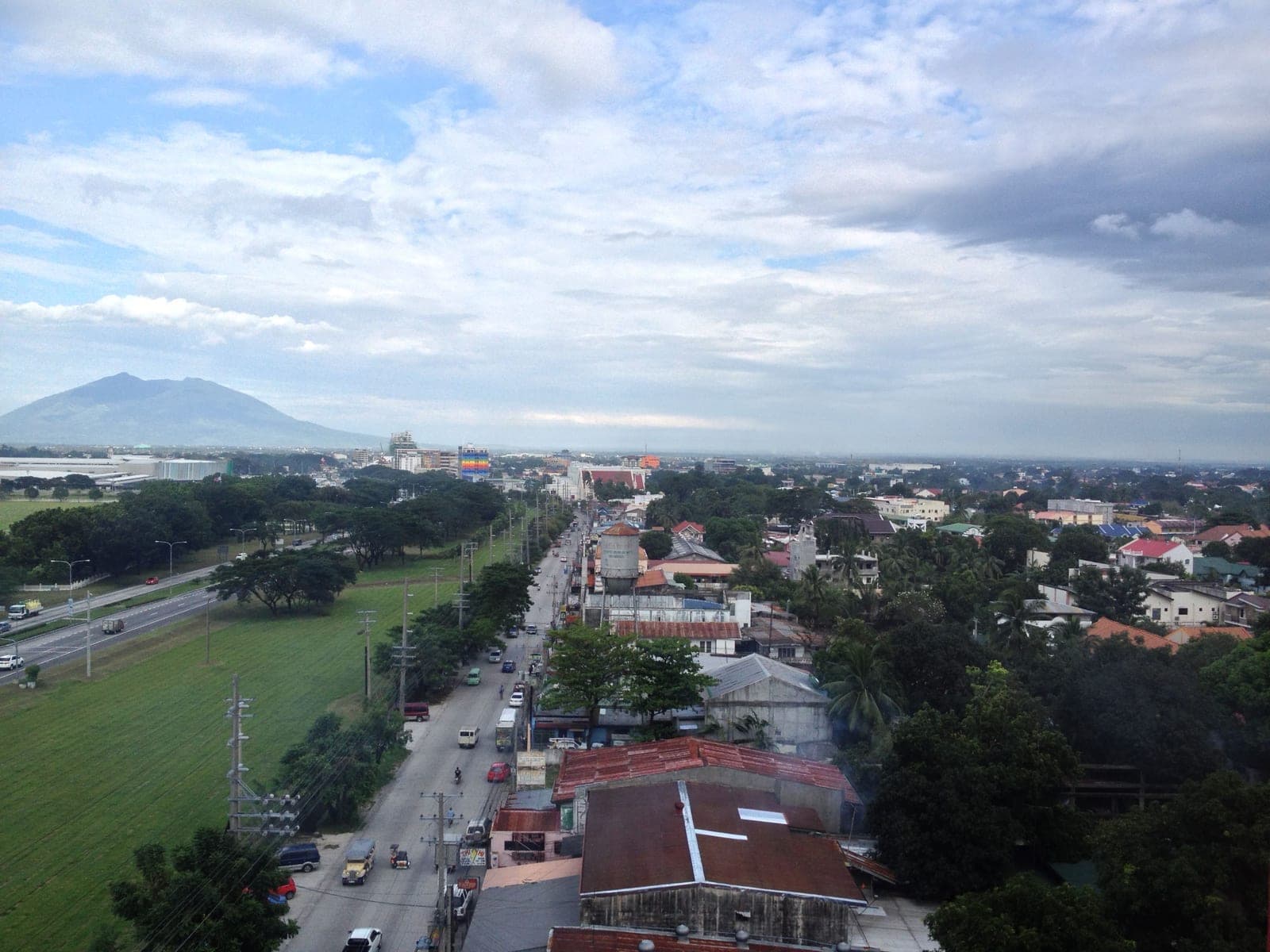
Only if you're fit and it's dry. Mount Arayat is the lone dormant volcano standing on the plain east of Angeles — the one you see from every hotel roof in Malabañas — about 1,030 metres high, with a national park on its lower slopes and a steep, hot, root-and-rock trail to the summit from Arayat or Magalang that takes three to four hours up and rather less down. Guides are required and arranged at the jump-off; fees are modest. The view from the top is the whole of Pampanga laid out flat, which is lovely, but I'll be honest: at my age I admire Arayat from a rice-field road with a cold drink and let the mountain be. The swimming pools and picnic grounds at the base are a gentle alternative.