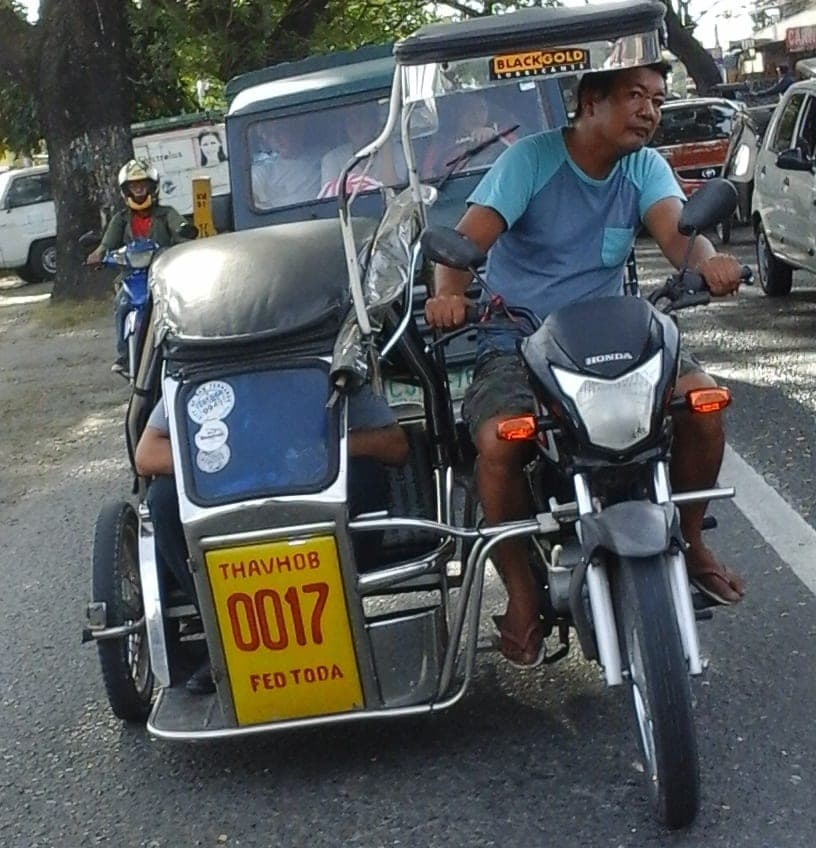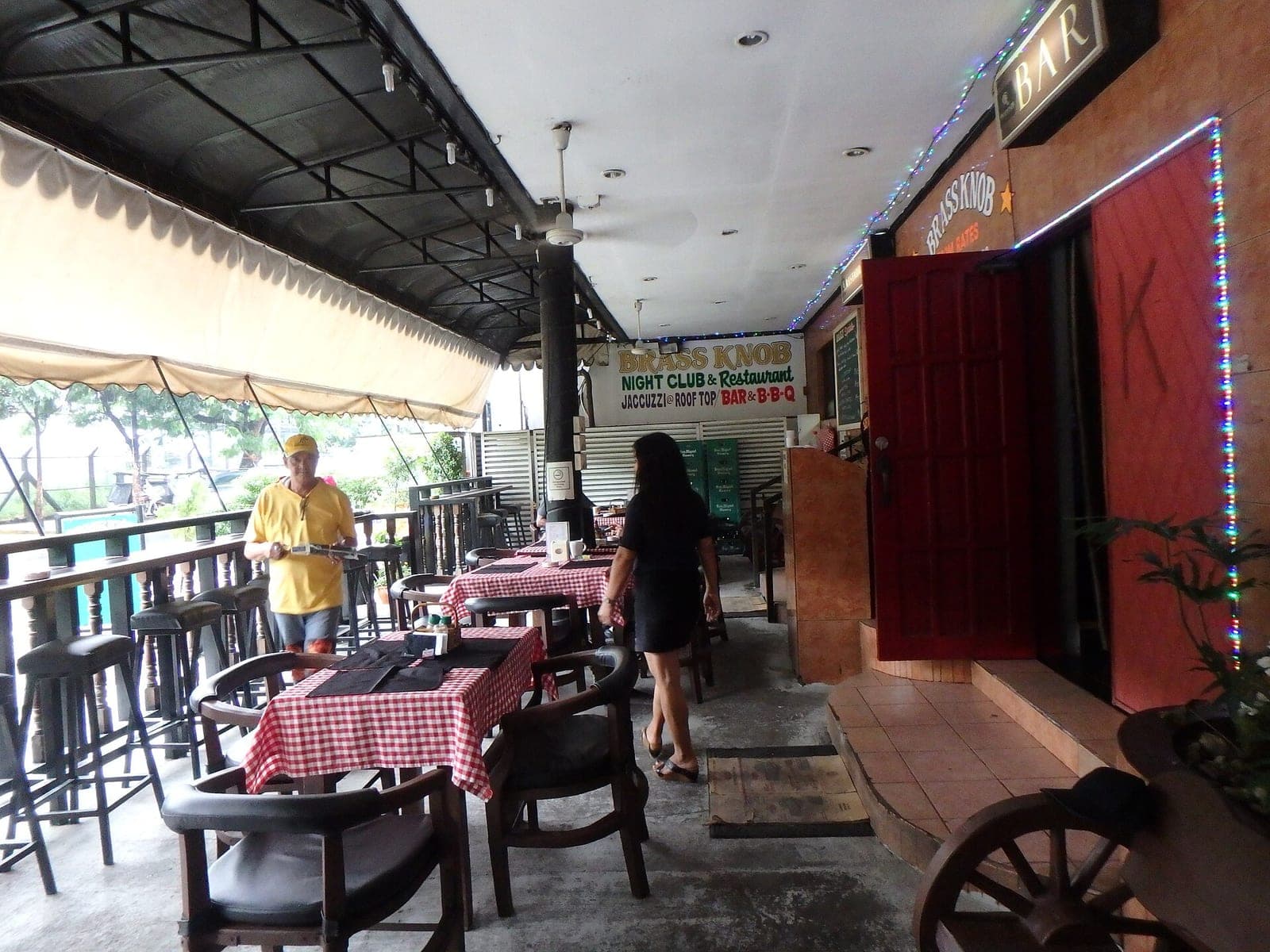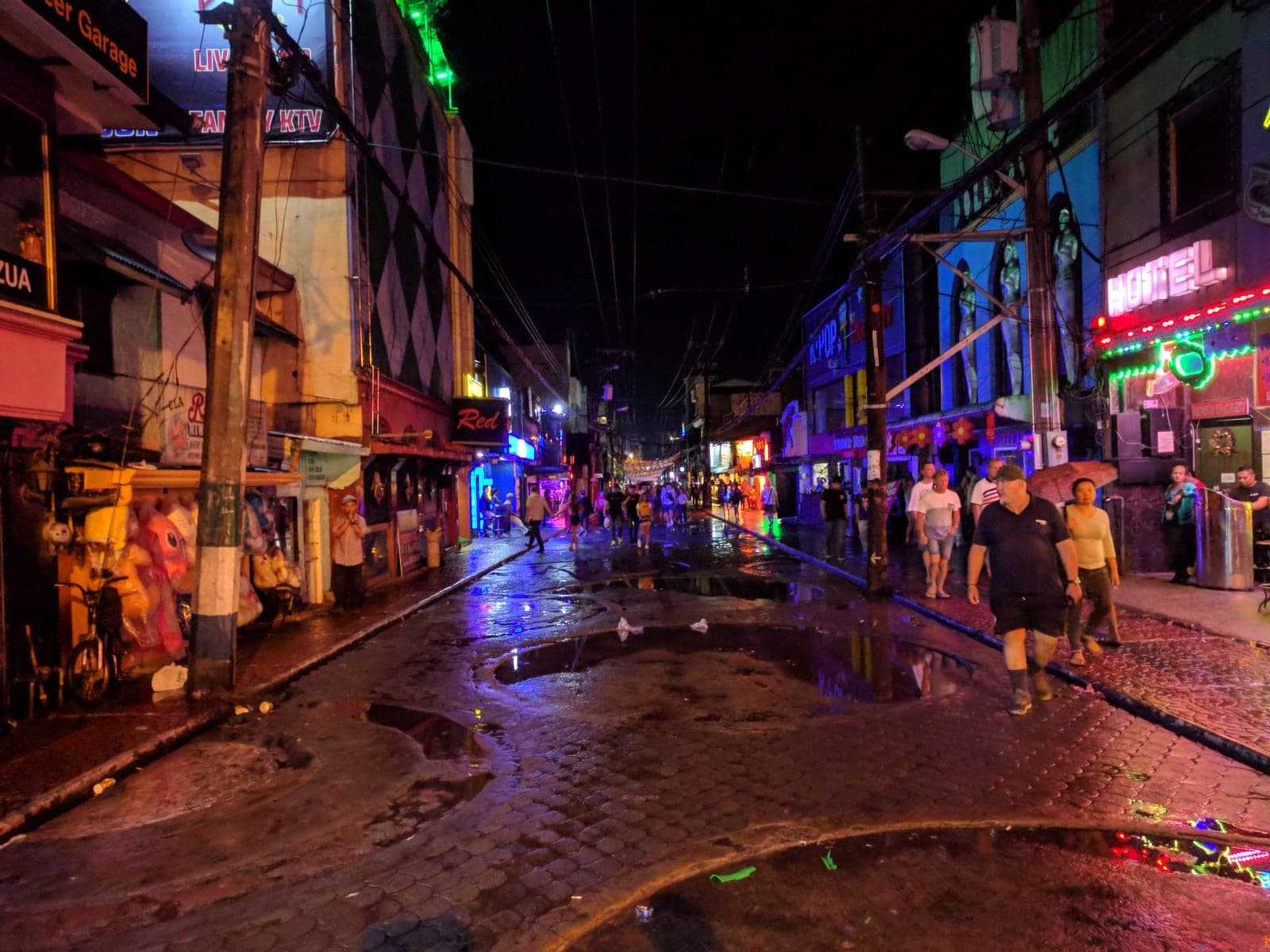


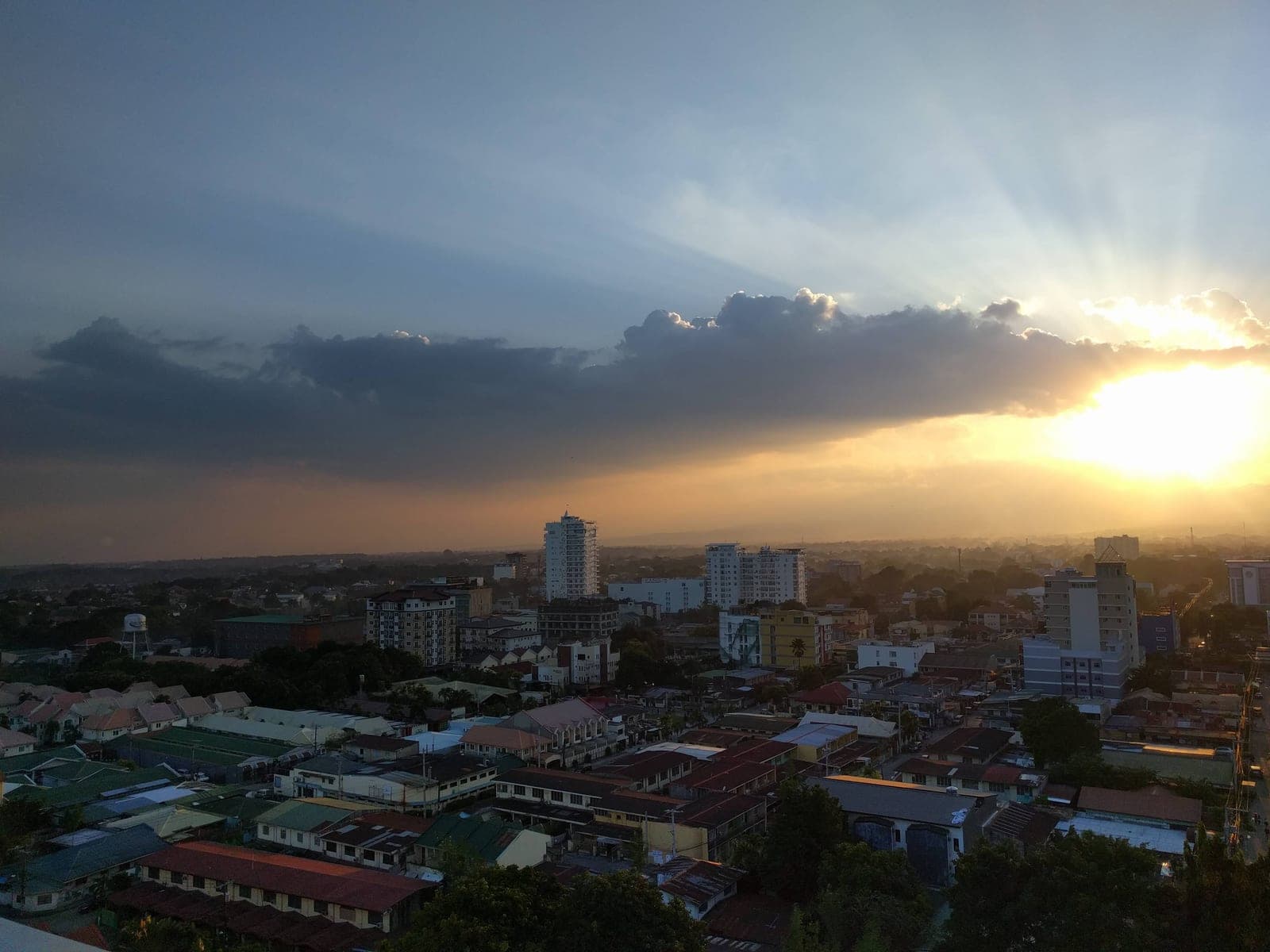
Living in Angeles City as an expat means settling into a hot, noisy, friendly provincial city of around half a million people in Pampanga, an hour and a half north of Manila, with a former US air base turned freeport on one side and the most famous bar street in the Philippines running through the middle. Several thousand Westerners — retirees, remote workers, veterans, blokes who came for a fortnight in 2009 — call it home.
I'm one of them. I washed up on Fields Avenue in the late '90s and, apart from a few years wandering, never left. This is the version of the town I'd tell a mate over a beer: what it actually costs, where to live, how the paperwork works, and the bits nobody puts in the brochure.
What's it actually like living in Angeles City?
Easier than you'd think and duller than you'd fear.
The nightlife you already know about, and if you move here it stops being the point within a month. What you're really buying is a low-cost, English-speaking life in a town that's used to foreigners: nobody stares, every hotel desk and pharmacist speaks English, the airport is fifteen minutes away, and Manila is close enough for the embassy and far enough to ignore. Days are malls, pools, coffee, errands, a walk in Clark, and the same three or four bars where they know your name.
The trade-offs are heat, humidity, traffic on MacArthur Highway, wet-season floods, the odd brownout, and the fact that Angeles is not a pretty city. If you need mountains and cafés on cobbled streets, this isn't your town. If you want cheap, warm, easy and sociable, it might be.
Which neighbourhood should you live in?
This matters more than any other decision, because Angeles is really five or six different towns stitched together.
| Neighbourhood | Feel | Who lives here | Watch out for |
|---|---|---|---|
| Balibago (Fields Ave / Malabañas) | Bars, hotels, diners, everything walkable | Newer expats, nightlife regulars | Noise till 3am, older buildings, flood-prone streets |
| Friendship Highway / Anunas | Korea Town, restaurants, houses, near Clark main gate | Couples, families, long-stayers | Traffic; sprawl; need a trike or car |
| Clark Freeport (Clark Global City etc.) | Clean, green, gated, malls and offices | Remote workers, Koreans, the well-off | Higher rents; sterile; taxi in and out |
| Downtown / Sto. Rosario / Nepo | Old town, markets, sisig, real Filipino life | Local families, a few old hands | Traffic, noise, few Western comforts |
| Dau / Mabalacat | Bus terminals, Marquee Mall side, cheaper flats | Budget expats, commuters | Not much charm; ten minutes from Fields |
| Subdivisions (Villa Sol, Timog Park, Marisol, Clarkview…) | Gated streets, houses with yards, guards | Retirees, married expats | Need transport for everything |
Balibago is where most people start, because you can walk to Fields Avenue, the diners and the pharmacies. It's convenient and it's loud. Malabañas, the hotel-tower end, has more condos and slightly more sleep. Good for a first year; hard on the liver.
Friendship Highway / Korea Town and Anunas are where a lot of expats end up once they've got a girlfriend or a dog: houses and small apartments, Korean restaurants, supermarkets, and the Clark main gate for the malls. You'll need a trike or a scooter, but rents drop.
Clark Freeport Zone is a different country — wide streets, trees, guarded gates, SM City Clark, and the newer condo towers around Clark Global City. It's where the BPO workers and the Korean families live, and it's the quietest, safest, priciest option. Beautiful if you like order; boring if you don't.
Downtown Angeles is the real Angeles — the old church, Nepo Mall, the market, Aling Lucing's Sisig — and hardly any expats live there. A few who have Filipino families do, and they're the ones who speak Kapampangan.
Dau / Mabalacat is the transport hub — the bus terminals, Marquee Mall over the boundary in Angeles — and it's cheap. Fine if the price is the point.
What does rent cost — condos vs apartments?
Roughly, and as of August 2026:
- Furnished condo (studio to 1BR) in Balibago, Malabañas or Clark: listings I've seen this year run from around ₱16,000 for a small studio to ₱30,000–35,000 for a furnished one-bed in a tower with pool and gym. Site-wide reference: ₱30,000–45,000.
- Local apartment (unfurnished or lightly furnished, in a subdivision or off Friendship Highway): often well under ₱15,000, less if you go local-standard. Reference: ₱15,000–25,000.
- House in a subdivision: wide range; two- and three-bedroom houses with a yard in Villa Sol or Timog Park go for what a decent condo costs, sometimes less if unfurnished.
Deposits are the sting: two months' security plus one month in advance is the norm, and one-year contracts are common on condos. Utilities are usually on top — see the Cost of Living in Angeles City (2026 Numbers) guide for the monthly maths — and budget for aircon: your electricity bill will be the biggest utility by far. Ask about water pressure, internet (fibre from PLDT or Converge is available across most of the city now, at roughly ₱1,300–1,600 a month for a basic plan) and whether the building floods.
Where to look: the property portals, the expat Facebook groups, and the old-fashioned way — walk the streets you like and read the "For Rent" signs. The best deals are still word of mouth.
How do visas work if you're staying long-term?
The Philippines is one of the easiest countries in the region to stay in legally, which is a big reason so many of us are here. As of August 2026, and confirm with the Bureau of Immigration (BI) before you rely on any of it:
- Visa-free entry: most Western passports get 30 days on arrival (make sure you hold an onward ticket — airlines check).
- First extension: 29 days, about ₱3,030 at a BI office. There's a BI presence convenient to Angeles/Clark, and much of the paperwork can now be started online.
- Further extensions: one, two or six months at a time. After 59 days in-country you'll be issued an ACR I-Card (₱3,350–3,600). Keep going month after month; many expats live for years on tourist extensions, leaving and coming back when the maximum stretch is up.
- SRRV (retirement visa): run by the Philippine Retirement Authority. Since the September 2025 reform the minimum age is 40; at 50 and over the Classic deposit is around US$15,000 with a pension or US$30,000 without, parked in an accredited bank and refundable if you leave. It buys indefinite stay, no more extensions, and multiple entry.
- 13(a) spouse visa: if you marry a Filipina, this is the permanent-residence route.
Full detail lives on the Rules & Laws Tourists Break in Angeles City (Don't) page. Two rules of thumb: never overstay (the fines and the blacklist aren't worth it), and never let anyone "fix" your visa for cash outside a BI office.
What's healthcare like in Angeles?
Decent for a provincial city, and cheap by Western standards.
The three private hospitals expats use are Angeles University Foundation Medical Center (AUFMC, on MacArthur Highway — the biggest specialist roster in the province), Sacred Heart Medical Center (also MacArthur Highway, a level-2 private hospital) and The Medical City Clark (a tertiary hospital in Clark Global City, open since 2015). The public option is Rafael Lazatin Memorial Medical Center, the old Ospital ning Angeles. There are clinics and dentists everywhere, and pharmacies (Mercury Drug, Watsons, the little independents) on every block.
What to know:
- Consultations are cheap; procedures and a private room are not, by local standards. Hospitals want a deposit up front and will keep you until the bill is settled.
- Get insurance — an international policy or at least a local HMO. Once you've got a long-stay visa you can also join PhilHealth.
- Serious cardiac, oncology or orthopaedic work: many expats still go to St. Luke's or Makati Medical in Manila, an hour and a half to two hours away.
- Bring your prescription history. Most everyday medications are over the counter and cheap (₱12–30 for a strip of antihistamines, for scale).
Banking, GCash and money
Cash is still king on Fields Avenue but the town has gone largely digital elsewhere.
- Bank account: BDO, BPI, Metrobank and the rest will open an account for a foreigner once you have an ACR I-Card and proof of address; a tourist on 30 days won't get far. Bring your passport, ACR, a utility bill or lease, and patience.
- GCash: the e-wallet everyone uses — for trikes, market stalls, bills, even bar tabs in some places. Foreigners can register with a Philippine SIM; verifying with a foreign passport has been switched on and off over the past couple of years and there's a separate GTourist tier for short-stay visitors, so expect some faff. Maya is the alternative. Get a local number first (₱60–500, data ₱599–999).
- ATMs: everywhere; foreign cards pay ₱250–300 per withdrawal, on top of your own bank's cut. Wise or a similar transfer service into a local account is the cheap way to bring money in.
- Cost of a normal life: covered properly in the Cost of Living in Angeles City (2026 Numbers) guide.
Practicalities for SIMs, wifi and cash are on the Money, SIM Cards & Wi-Fi in Angeles City page.
Where's the expat community?
Bigger than you'd expect for a town this size, and welcoming once you show up more than once.
- VFW Robert W. Zaher Post 2485 in Clarkview Subdivision, running since 1987 with well over a thousand members: a service office for US veterans, and a restaurant open to everyone — members, non-members, non-Americans, the lot. Even if you're not a Yank it's the best noticeboard in town.
- The sports bars and pubs on Perimeter Road and Fields — places like Phillies Sports Grill & Bar and Kokomo's Bar — are the daytime living rooms of the expat scene. Sunday roasts, football at odd hours, and every opinion you never asked for.
- Golf at Mimosa in Clark and the courses further out; hash house harriers (yes, Angeles has one, and it's older than some of its members); Rotary, church groups, the Australian and British communities' regular piss-ups.
- Facebook groups for Angeles/Clark expats — noisy, occasionally feral, but that's where the rentals, the second-hand scooters and the "which dentist" answers live.
A word: the community skews older, male and opinionated. Some of the best men I know are in it; so are a few of the worst. Choose your bar stools carefully.
What are the downsides nobody mentions?
I love this town, so trust me when I list them.
- Heat. March to May is brutal — heat index well over 35°C on the regular — and the rest of the year is merely hot. Aircon is not optional and it costs.
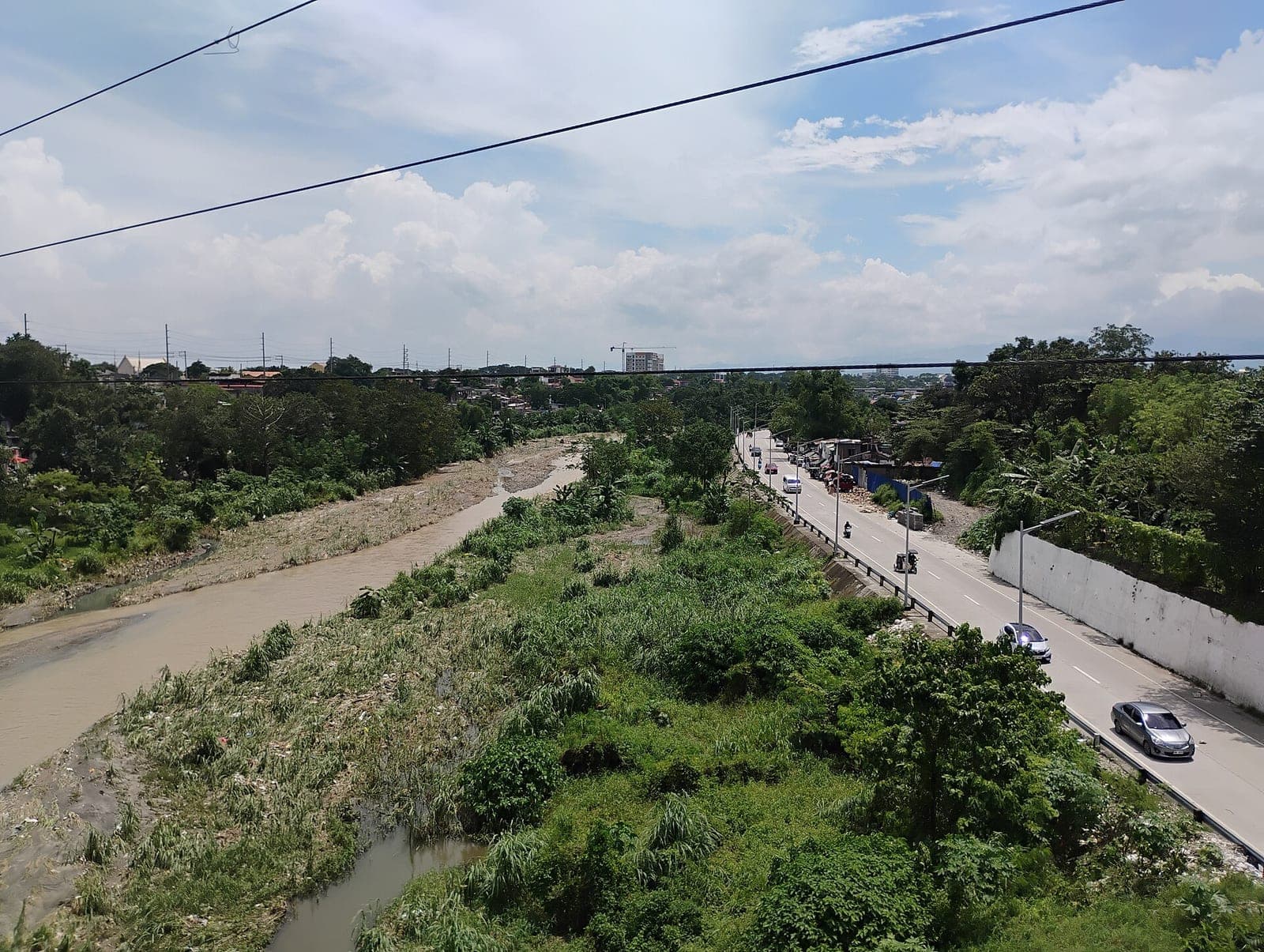
- Floods. The Abacan River runs through the middle of the city and the city's disaster office lists more than a dozen barangays as high flood risk, including Balibago and Malabañas. Ask every landlord, "does this street flood?" and watch their face.
- Brownouts. Better than they were, but the Luzon grid still goes on red alert in the hot months (it did in May 2026) and lightning takes lines down in the wet ones. A UPS for the router and a fan that runs off a power bank make you a philosopher instead of a victim.
- Noise. Roosters, karaoke, tricycles with no mufflers, the neighbour's videoke at 7am on a Sunday. Earplugs, or a subdivision.
- Traffic. MacArthur Highway and Fields at school run and Friday night. Not Manila-bad; bad enough.
- Boredom and the bottle. The town is small and the bars are open. Plenty of good men have drunk their savings and their health here by degrees. Have a project, a routine, and a reason to leave the house before 4pm.
- The visa treadmill and the little corruptions. Neither is dramatic; both grind.
- You'll be pursued. Foreigners are assumed to be rich. Most of the attention is warm; some of it is a plan. Read Dating a Filipina: What Every Foreign Guy Should Know and keep your wallet and your heart in different pockets for the first year.
Is Angeles the right town for you?
If you want cheap, warm, easy and sociable, with an airport on your doorstep and English in every shop, yes — and I'd start on the Balibago/Malabañas side for a few months, then move somewhere quieter once you know the town. If you want beauty, culture and cool evenings, look at Baguio, Dumaguete or Cebu and come here for the weekends.
And a last observation from twenty-odd years on the ground: the expats who thrive here almost all have a partner and a life outside the strip. Increasingly they met her the modern way — online, before or between trips — rather than on a bar stool. There's a guide for that too: Online Dating in Angeles City: How It Actually Works.